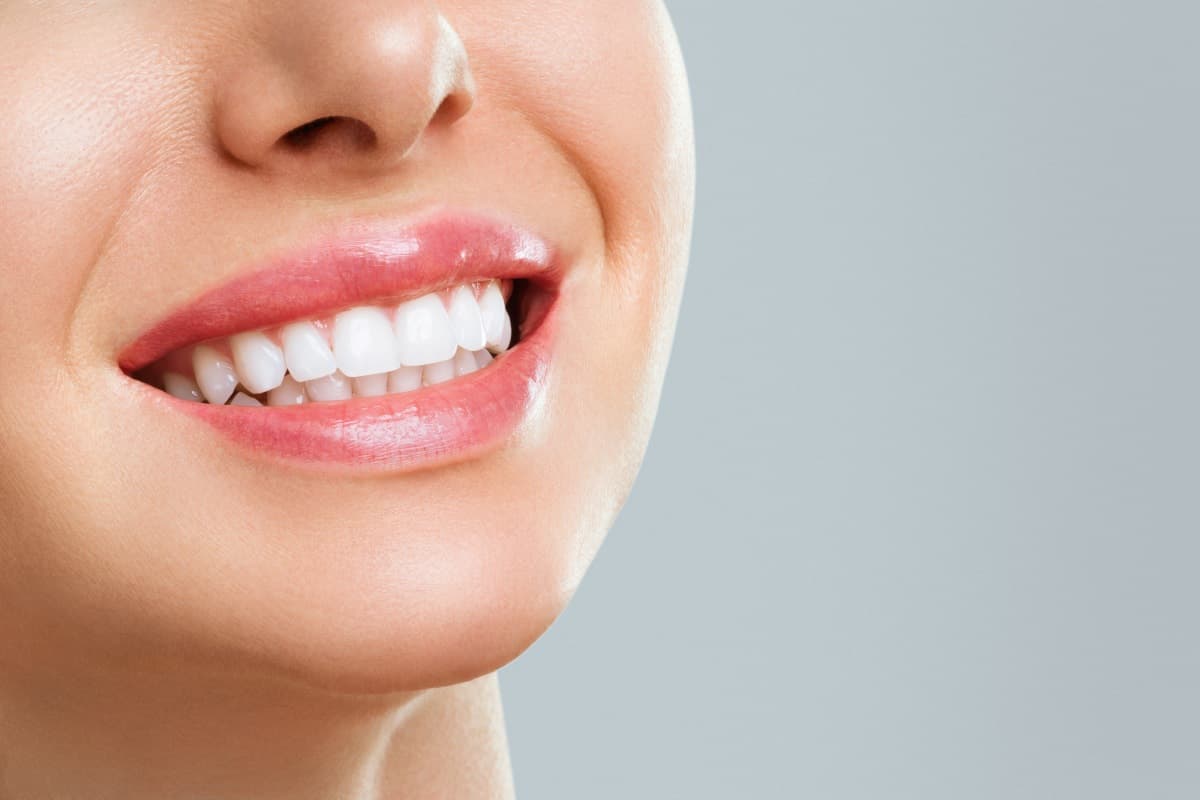
Many people notice that their front teeth have a unique, glass-like appearance along the biting edges, particularly when viewed against light. This natural translucency is one of the most challenging aspects for dentists to recreate when restoring damaged or worn front teeth. Patients often express concern when their dental work doesn't match this subtle characteristic, making their restorations appear obvious or artificial.
Understanding how advanced dental compounding techniques can replicate this natural translucent edge helps patients appreciate the complexity involved in creating seamless front tooth restorations. The translucent quality of natural tooth edges occurs due to the varying thickness of enamel and its optical properties, which change how light passes through the tooth structure.
This article explores the science behind natural tooth translucency, the techniques used to recreate this appearance in dental restorations, and why achieving this aesthetic requires considerable skill and expertise. We'll examine when professional assessment might be needed and how modern dental materials have evolved to meet these challenging aesthetic demands.
How does advanced compounding recreate natural tooth translucency?
Advanced dental compounding uses layered composite materials with varying opacity levels to mimic natural enamel structure. Dentists apply translucent materials at tooth edges, gradually building opacity towards the centre, replicating how natural teeth interact with light for seamless aesthetic integration.
The Science Behind Natural Tooth Translucency
Natural tooth enamel exhibits notable optical properties that create its characteristic appearance. The translucent quality at tooth edges occurs because enamel becomes thinner towards the incisal edge, allowing more light to pass through whilst maintaining structural integrity. This creates a gradient effect from the more opaque body of the tooth to the glass-like edge. Where appropriate, this can be discussed alongside composite bonding treatment options.
Enamel consists of hydroxyapatite crystals arranged in prisms, which interact with light in complex ways. The thickness and density of these crystal structures determine how much light is absorbed, reflected, or transmitted. At the cutting edge of front teeth, where enamel is thinnest, light transmission is highest, creating the natural translucent appearance that patients find aesthetically pleasing.
Understanding these optical properties is crucial for dental professionals when planning restorations. The challenge lies not only in matching the colour but also in replicating how light behaves as it passes through the restoration material.
Advanced Compounding Techniques in Modern Dentistry
Contemporary dental compounding involves sophisticated layering techniques using composite materials with different translucency levels. Dentists begin by selecting materials that match the patient's natural tooth opacity, working from the most translucent edge materials to progressively more opaque body shades.
The process requires careful attention to material thickness and positioning. Each layer must be precisely placed and set to achieve the correct optical depth. Advanced composite materials now offer multiple translucency options, from highly translucent edge materials to opaque dentine replacements, allowing for nuanced recreation of natural tooth appearance.
Modern techniques also incorporate fluorescence properties found in natural teeth. This ensures that restorations appear natural under different lighting conditions, including ultraviolet light, maintaining aesthetic integrity across various environments.
Material Selection and Optical Properties
The selection of appropriate materials is fundamental to successful translucency replication. Contemporary composite systems offer various opacity levels, typically categorised as enamel, dentine, and translucent materials. Each category serves specific functions in building up the restoration's optical characteristics. Where appropriate, this can be discussed alongside cosmetic dentistry assessment.
Translucent materials used for edge work contain larger filler particles and modified resin matrices that allow controlled light transmission. These materials must balance translucency with adequate strength, as the incisal edge experiences significant functional stresses during normal use.
Manufacturers have developed sophisticated shade guides that account for both colour and translucency, enabling dentists to make informed material choices. However, achieving appropriate results requires clinical experience in understanding how these materials interact with natural tooth structure and ambient lighting conditions.
Clinical Assessment and Treatment Planning
Professional assessment is essential when considering front tooth restoration work involving translucency matching. During examination, dentists evaluate the existing tooth structure, assess the extent of any damage, and determine the most appropriate restoration approach. Where appropriate, this can be discussed alongside teeth grinding assessment.
Assessment includes analysing the patient's natural tooth characteristics under different lighting conditions. This helps identify the specific translucency patterns that need replication and informs material selection decisions. Factors such as tooth position, function, and patient expectations all influence the treatment approach.
The clinical evaluation also considers the longevity requirements of the restoration and how material choices might affect long-term aesthetic outcomes. Some materials may undergo subtle colour changes over time, which must be factored into the treatment planning process.
Prevention and Maintenance of Natural Tooth Structure
Preserving natural tooth structure helps maintain the inherent translucent qualities of front teeth. Regular dental hygiene practices, including appropriate brushing techniques and fluoride use, support enamel integrity and optical properties.
Avoiding habits that may damage tooth edges, such as nail biting, ice chewing, or using teeth as tools, helps preserve the natural translucent appearance. Additionally, wearing appropriate protection during contact sports or activities with trauma risk protects front teeth from damage requiring restoration.
Professional cleaning appointments allow for early detection of enamel changes that might affect translucency. Early intervention can often preserve more natural tooth structure, making any future restoration work more predictable and aesthetically successful.
Key Points to Remember
- Natural tooth translucency results from enamel thickness variation and optical properties For a closely related clinical perspective, see How micro-chipped composite bonding can be polished smoothly.
- Advanced compounding uses layered materials with different opacity levels
- Material selection requires understanding of both colour and light transmission properties
- Professional assessment is essential for appropriate aesthetic outcomes
- Preserving natural tooth structure maintains inherent translucent qualities
- Modern composite systems offer sophisticated translucency options for seamless restorations
Frequently Asked Questions
Can translucent edges be recreated in all types of dental restorations?
The ability to recreate translucent edges depends on the restoration type and extent of tooth damage. Direct composite bonding offers good control over translucency replication, whilst indirect restorations like crowns require careful laboratory communication. The success depends on material selection, technique precision, and the skill of both the dentist and dental technician involved in the process.
How long do translucent edge restorations typically last?
The longevity of translucent edge restorations varies based on factors including material quality, placement technique, patient habits, and ongoing maintenance. Well-executed composite restorations can last many years with proper care. However, wear patterns and material aging may gradually affect the translucent appearance over time, potentially requiring refinishing or replacement to maintain appropriate aesthetics.
Will my restored tooth edges look different under various lighting conditions?
Modern dental materials incorporate fluorescence properties to mimic natural teeth under different lighting conditions. However, some variation in appearance between natural teeth and restorations may occur under specific lighting, particularly fluorescent or LED sources. Professional assessment includes evaluating appearance under multiple lighting conditions to optimise aesthetic integration.
Are there any limitations to recreating natural translucency?
Certain factors may limit the ability to perfectly recreate natural translucency, including the extent of tooth damage, the amount of remaining natural structure, and individual tooth characteristics. Additionally, some patients may have unique optical properties in their natural teeth that are challenging to replicate precisely. Professional consultation can determine realistic expectations based on individual circumstances.
Does insurance typically cover aesthetic procedures involving translucent edge work?
Insurance coverage varies significantly depending on whether the procedure is deemed necessary for function or primarily aesthetic. Restorations required due to decay, trauma, or structural damage may receive coverage, whilst purely aesthetic improvements might not. It's advisable to discuss coverage options with both your dental provider and insurance company before beginning treatment.
How do I maintain the translucent appearance of my restorations?
Maintaining translucent restorations involves good oral hygiene practices, avoiding staining substances, and attending regular professional cleanings. Composite materials can accumulate surface stains that may affect their optical properties. Professional polishing during routine appointments helps maintain the original translucent appearance and prevents premature aging of the restoration materials.
Conclusion
Advanced dental compounding techniques have significantly improved the ability to recreate the natural translucent edge appearance of front teeth. Through sophisticated material selection and precise layering techniques, modern dentistry can achieve notable aesthetic integration between natural teeth and restorations.
The success of these procedures depends on understanding the complex optical properties of natural teeth and applying appropriate materials and techniques to replicate these characteristics. Professional expertise in material science and aesthetic dentistry principles is essential for achieving appropriate outcomes.
Patients considering front tooth restoration work should understand that recreating natural translucency requires considerable skill and may involve multiple appointments for appropriate results. The investment in quality materials and expert technique typically provides long-lasting aesthetic satisfaction and functional success.
Dental symptoms and treatment options should always be assessed individually during a clinical examination.
Disclaimer: This article is intended for general educational purposes only and does not constitute personalised dental or medical advice. Individual diagnosis and treatment recommendations require a clinical examination by a qualified professional.
Next Review Due: 23 May 2027
Ready to Book an Appointment?
Our team is here to help you with all your dental and medical needs.
For general information only — not a substitute for professional advice. In an emergency call 999, visit A&E, or call NHS 111.