Ready to Book an Appointment?
Our team is here to help you with all your dental and medical needs.
For general information only — not a substitute for professional advice. In an emergency call 999, visit A&E, or call NHS 111.
Our team is here to help you with all your dental and medical needs.
For general information only — not a substitute for professional advice. In an emergency call 999, visit A&E, or call NHS 111.
Regular dental hygiene appointments are a cornerstone of preventive oral health care. For many years, traditional scaling has been the standard approach for removing plaque and tartar from the teeth. More recently, Airflow® dental cleaning has emerged as a modern alternative that uses air-polishing technology to target biofilm and surface stains. Many patients now ask about the differences between the two and which may be more suitable for their needs.
This guide compares Airflow® and traditional scaling in a balanced, evidence-based way — covering how each works, what they are designed for, and how your dental hygienist can determine the most appropriate approach for your individual oral health. Clinical suitability determines the recommendation in every case.
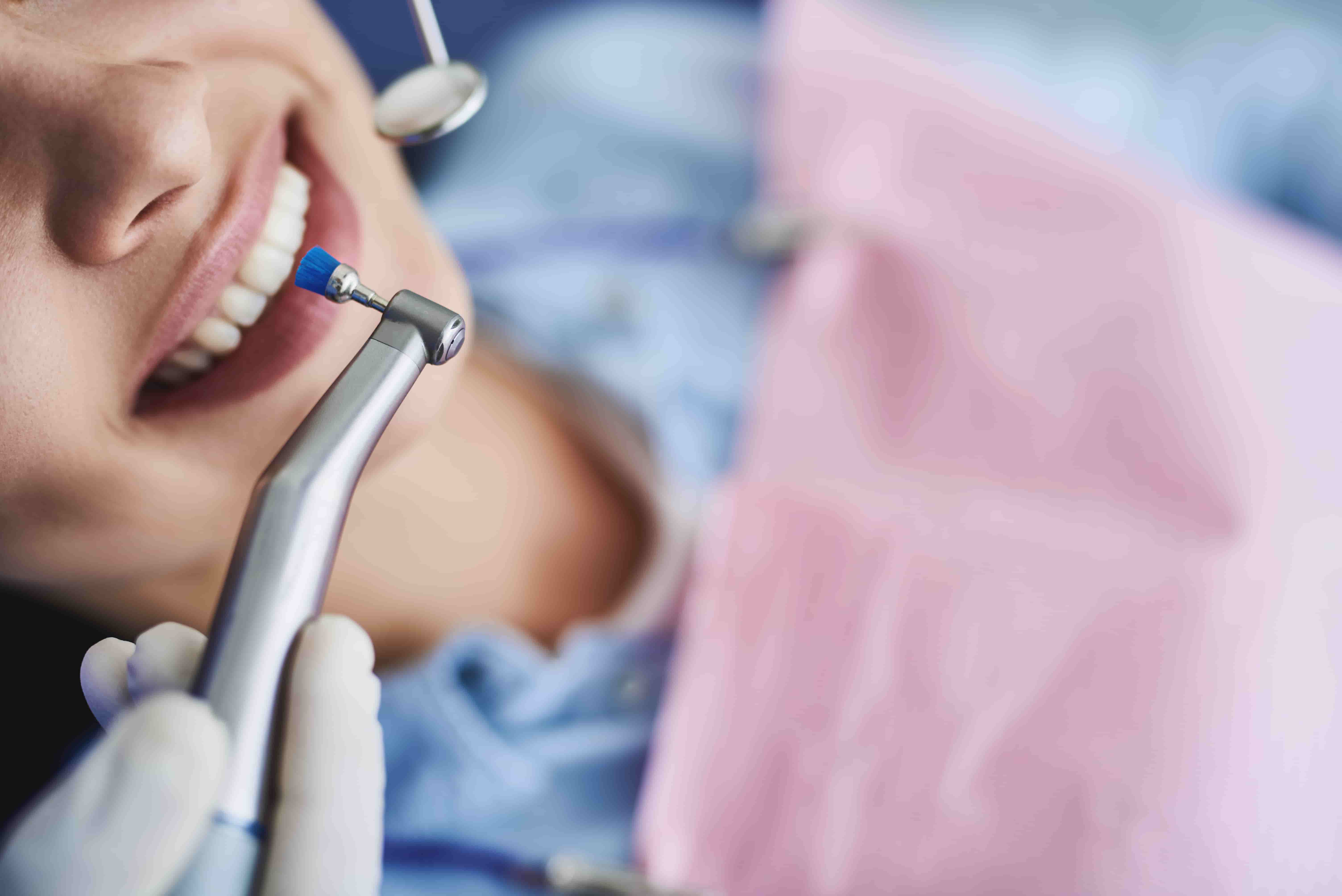
Airflow® dental cleaning is an advanced hygiene technique that uses a controlled stream of air, warm water and fine powder to remove plaque and surface stains. Unlike traditional scaling, which relies on manual or ultrasonic instruments, Airflow® focuses on minimally invasive biofilm and stain removal. Suitability depends on individual oral health needs.
Traditional scaling is a well-established dental hygiene technique used to remove plaque and calculus (tartar) from the tooth surfaces and below the gum line. It has been a core part of preventive dental care for decades and remains an essential component of many hygiene appointments.
Traditional scaling is a proven and effective method of maintaining oral hygiene. It remains necessary when hardened deposits are present, as these cannot be addressed by air-polishing technology alone. Scaling should not be considered an outdated technique — it continues to play an important role in comprehensive dental care.
Airflow technology was developed as part of the Guided Biofilm Therapy (GBT) protocol — a systematic approach to dental hygiene that emphasises thorough biofilm detection and removal. The system uses an air-polishing handpiece to deliver a precise stream of air, warm water and fine powder directly onto the tooth surfaces.
Airflow is often combined with scaling when both biofilm removal and calculus removal are required. The two approaches are complementary rather than mutually exclusive, and many modern hygiene appointments incorporate elements of both.
Understanding the differences between Airflow vs scaling can help you approach your hygiene appointment with greater confidence. The following comparison covers the key factors patients typically consider.
| Factor | Traditional Scaling | Airflow® Cleaning |
|---|---|---|
| Technology | Manual or ultrasonic instruments | Air, water and fine powder stream |
| Sensation | Vibration and pressure on teeth | Light spray — many patients report improved comfort |
| Stain Removal | Limited stain removal capability | Effective for surface stains |
| Sensitive Teeth | May cause discomfort in some patients | Often better tolerated — warm water option available |
| Orthodontic Cleaning | Challenging around brackets and wires | Can reach around orthodontic appliances |
| Implant Maintenance | Care needed to avoid surface damage | Generally gentle on implant surfaces |
Neither technique is inherently better than the other in all situations. The most effective hygiene appointment may incorporate elements of both, depending on what the clinical assessment reveals about the patient's oral health.
One of the most commonly cited benefits of Airflow stain removal is its ability to address surface discolouration caused by everyday lifestyle factors. A stain removal hygienist using Airflow technology can often achieve noticeable results for patients with external staining.
It is important to understand that Airflow removes surface (extrinsic) stains only. It does not change the natural shade of the tooth enamel. Patients with intrinsic staining — discolouration that originates from within the tooth structure — may wish to discuss professional whitening options with their dentist as a separate consideration.
Not always. While Airflow is highly effective at removing soft biofilm and surface stains, it is not designed to remove hardened calculus (tartar). Once plaque has mineralised onto the tooth surface, it requires the mechanical action of scaling instruments — whether manual or ultrasonic — to be properly removed.
The most thorough hygiene appointments often combine both technologies. Your hygienist will assess your needs and recommend the most appropriate combination of techniques for your situation.
Airflow technology is suitable for a wide range of patients, though clinical assessment is always required to confirm suitability. The following groups of patients may particularly benefit from the technology.
Suitability is always determined on an individual basis. Your hygienist will discuss whether Airflow is appropriate for you based on your clinical presentation and oral health history.
If Airflow is recommended as part of your hygiene visit, the appointment will typically follow a structured approach designed to ensure thorough cleaning and personalised care.
To learn more or book a hygiene appointment, visit our Dental Hygienist page. Hygiene treatment is tailored to individual clinical needs.
The frequency of professional teeth cleaning in London and elsewhere depends on individual risk factors and oral health status. There is no single interval that applies to every patient — your dentist or hygienist will recommend a schedule based on your specific needs.
Your hygienist will advise on the most appropriate recall interval for you. Consistent attendance is one of the most important factors in maintaining long-term oral health.
Biofilm — the soft bacterial film that accumulates on tooth surfaces — is the primary cause of gum inflammation (gingivitis) and, if left unmanaged, can contribute to the progression of periodontal disease. Effective biofilm removal is therefore a key objective of any dental hygiene appointment.
Airflow can form an effective part of a gum health maintenance plan, particularly for patients who attend regularly and wish to keep biofilm levels low between appointments. However, patients with active gum disease may require additional treatment beyond hygiene appointments.
Tooth sensitivity during dental hygiene appointments is a common concern. Many patients who experience discomfort with traditional scaling instruments ask whether Airflow may offer a more comfortable alternative.
If you have sensitive teeth, discuss this with your hygienist before your appointment. They can adapt the treatment approach — including powder selection, water temperature, and technique — to help manage your comfort during the procedure.
Airflow and scaling serve different purposes within dental hygiene. Airflow targets soft biofilm and surface stains using a controlled stream of air, water and fine powder, while scaling is designed to remove hardened tartar (calculus) that has mineralised onto the tooth surface. In many cases, both techniques are used together as part of a comprehensive hygiene appointment. The most appropriate approach depends on individual clinical needs.
Airflow removes surface stains caused by food, drink and lifestyle factors, which can make the teeth appear brighter. However, it does not change the natural underlying shade of the enamel. Patients seeking a change in tooth colour may wish to discuss whitening options with their dentist following a clinical assessment.
Airflow may be suitable for maintaining dental implants, as the fine powder and air-polishing action are generally gentle on implant surfaces. However, suitability depends on the type of implant, the condition of the surrounding tissues, and individual clinical factors. Your hygienist or dentist can advise on whether Airflow is appropriate for your implant maintenance.
The length of an Airflow hygiene appointment varies depending on the patient's oral health status, the amount of biofilm and staining present, and whether additional scaling is required. A typical appointment may last between 30 and 60 minutes, but your hygienist will advise on the expected duration based on your individual needs.
Many patients with sensitive teeth find Airflow comfortable, as the system uses warm water and fine powder rather than direct contact instruments. However, individual experiences vary, and suitability should be discussed with your hygienist before treatment. Alternative approaches or modifications can be considered for patients with significant sensitivity.