Ready to Book an Appointment?
Our team is here to help you with all your dental and medical needs.
For general information only — not a substitute for professional advice. In an emergency call 999, visit A&E, or call NHS 111.
Our team is here to help you with all your dental and medical needs.
For general information only — not a substitute for professional advice. In an emergency call 999, visit A&E, or call NHS 111.
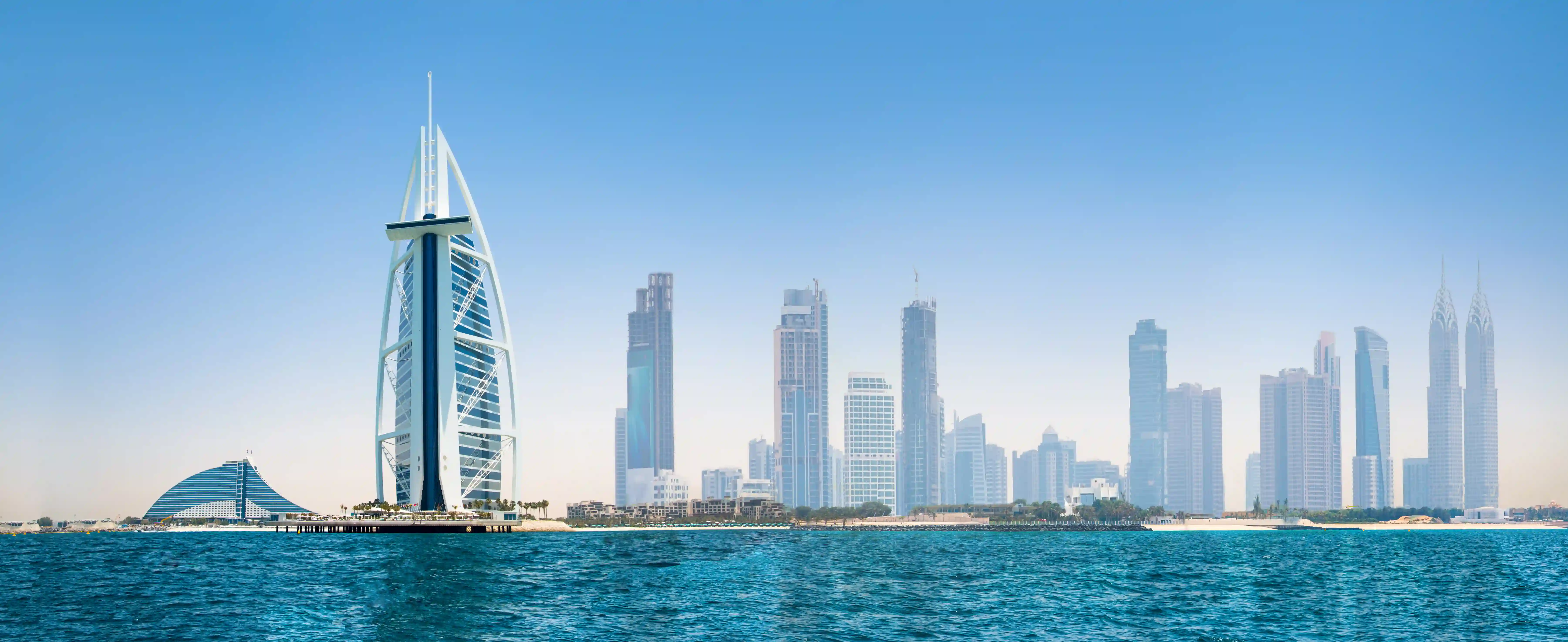
Every year, thousands of people from the UK travel abroad for dental veneers in Dubai, Turkey and other popular dental tourism destinations. The appeal is understandable: lower advertised prices combined with the promise of a dazzling new smile, often marketed heavily on social media by clinics and influencers alike. But behind the glossy before-and-after photographs lies a reality that many patients only discover once it is too late.
A recent BBC News report highlighted the experience of Jade Morgan, a 36-year-old mother from Liverpool who travelled to Dubai for porcelain veneers — and returned home with bite problems, a snapped tooth, and bleeding gums. Her story is a cautionary tale for anyone considering dental veneers in Dubai or elsewhere abroad.
Jade Morgan had previously had composite veneers fitted in the UK seven years earlier, with excellent results. When she decided to upgrade to porcelain veneers in 2025, she spotted a comparatively low price at a well-known Dubai dental clinic she had seen promoted on social media. She paid £2,800 for the treatment — not including flights and hotel costs — and flew out expecting the same careful, staged process she had experienced at home.
What she encountered was starkly different. Her entire treatment in Dubai was completed within just four days. She never met the dentist she had originally booked with — an assistant carried out all the preparation work, removing her existing composites and taking impressions. She only saw the dentist on the final day, when the veneers were already made and ready to be cemented in place.
“I felt like a deer in headlights,” Jade told the BBC. There had been “little investment from start to finish” in her desired results. Unlike her UK experience, she was never fitted with temporary veneers to preview the proposed size, shape and colour. She did not see what her new smile would look like until the permanent veneers were already cemented on.
“As soon as I sat up I knew they weren’t right,” she said. “I didn’t like the colour and I literally immediately said, ‘the bite’s not right.’” She was sent to another clinician who spent almost two hours drilling her teeth to try to correct the bite — but it still was not right. The following day, she flew home.
Two weeks later, Jade woke to find one of her front teeth had snapped in half. She also began suffering from bleeding gums — something she had never experienced before. “It was awful,” she said. “I had a lot of sleepless nights, a lot of worry. I didn’t want to leave the house.”
One of the biggest draws of dental veneers in Dubai is the price. Clinics abroad often advertise veneer packages at a fraction of UK costs, and social media is awash with influencers showcasing their transformations. But the headline price rarely tells the full story.
When you factor in return flights, hotel accommodation, travel insurance, time off work, and — crucially — the very real possibility of needing corrective treatment back in the UK, the savings can evaporate entirely. In Jade’s case, even if the Dubai clinic had offered to fix the veneers free of charge, she would still have needed to pay for flights and a hotel to return — adding thousands more to a treatment that was supposed to save money.
As Robbie Hughes, owner of Dental Excellence, warned in the BBC report: “Patients might think they’re saving money, but when you factor in travel, accommodation and the risk of needing corrective treatment back home, it can end up costing far more — both financially and in terms of damage to their natural teeth.”
Dental tourism clinics operate on a fundamentally different model to UK dental practices. Because patients fly in for a limited number of days, the entire veneer process — which in the UK typically spans multiple appointments over several weeks — is compressed into just a few days. This compression introduces significant clinical risks.
In the UK, the standard veneer process involves an initial consultation and comprehensive assessment, careful tooth preparation with minimal enamel removal, detailed impressions sent to a specialist dental laboratory, fitting of temporary veneers so the patient can preview and approve the proposed result, and a final appointment where permanent veneers are bonded only after the patient is satisfied with the fit, colour and shape.
This staged approach exists for good reason. It allows the dentist to make precise adjustments, ensures the patient has realistic expectations, and provides an opportunity to identify and correct any issues before permanent bonding. When this process is compressed into a few days — as commonly happens with dental veneers in Dubai — critical steps are skipped. Patients may never see temporary veneers, never preview the final result, and have no opportunity to request changes once the permanent veneers are cemented.
Beyond the financial risks, there are serious clinical concerns associated with dental veneers fitted abroad. Reports from UK dentists who regularly see patients returning from dental tourism trips highlight recurring problems:
As Jade Morgan put it: “Even if the clinic offered to fix it complimentary, I’d still have to pay for flights and a hotel to get back to Dubai. That’s thousands more on top of what I’d already spent — and that’s not something people think about when they book these treatments.”
Social media has played a significant role in the rise of dental tourism. Clinics in Dubai, Turkey and other destinations invest heavily in Instagram and TikTok marketing, often featuring dramatic before-and-after transformations and celebrity endorsements. These posts rarely mention the risks, the rushed timelines, or the patients who return home with problems.
It is worth remembering that social media profiles are curated marketing tools. They showcase the best results and filter out complications. The reality, as cases like Jade’s demonstrate, can be very different from what appears online. Before making any decision about dental veneers in Dubai or elsewhere abroad, patients should look beyond social media and seek independent reviews, ask about the specific dentist’s qualifications, and understand the full treatment plan.
After her ordeal, Jade contacted a UK dentist who replaced all of her Dubai veneers. She described the experience as “life-changing.” The difference, she said, was having “someone in the same country, being around the corner, being on hand, should there be any issues.”
Choosing a UK-based dentist for dental veneers offers several critical advantages:
At Medical & Dental, our cosmetic dentistry team follows a meticulous, patient-centred approach to veneers. Every case begins with a thorough consultation, digital imaging to preview the proposed outcome, and temporary veneers so you can see and feel your new smile before anything is permanently bonded. Our clinics in the City of London and South Kensington provide accessible, ongoing aftercare as standard.
Jade Morgan’s message is clear: “Do your research and really look into where you’re going and find out what the actual process is, and are you happy to travel should there be any problems?”
She added: “Make sure that the people you choose are experienced in their field. You only get one set of teeth.”
If you are considering dental veneers in Dubai or any other overseas destination, we urge you to weigh the true total cost — including potential complications — against the reassurance of having treatment carried out by a regulated, experienced UK dentist who will be available for aftercare throughout the life of your veneers.
Your smile is worth getting right the first time.