Ready to Book an Appointment?
Our team is here to help you with all your dental and medical needs.
For general information only — not a substitute for professional advice. In an emergency call 999, visit A&E, or call NHS 111.
Our team is here to help you with all your dental and medical needs.
For general information only — not a substitute for professional advice. In an emergency call 999, visit A&E, or call NHS 111.
The demand for invisible orthodontics for adults has grown significantly in recent years, particularly in London where professional and social visibility is a common concern. Patients increasingly seek orthodontic solutions that straighten teeth without the appearance of traditional metal braces. Two of the most popular discreet options — ProAligners vs lingual braces — offer very different approaches to achieving the same goal.
This guide provides a balanced, clinically informed comparison to help you understand how each system works, what to expect, and how to determine which option may be more suitable for your needs. Orthodontic treatment suitability and costs are determined following a personalised clinical assessment.
ProAligners are removable clear aligners designed to straighten teeth using digitally planned stages. Lingual braces are fixed brackets attached to the back surfaces of teeth. Both are discreet orthodontic options, but they differ in removability, comfort, hygiene maintenance and cost structure. Suitability depends on bite complexity and personal preference.
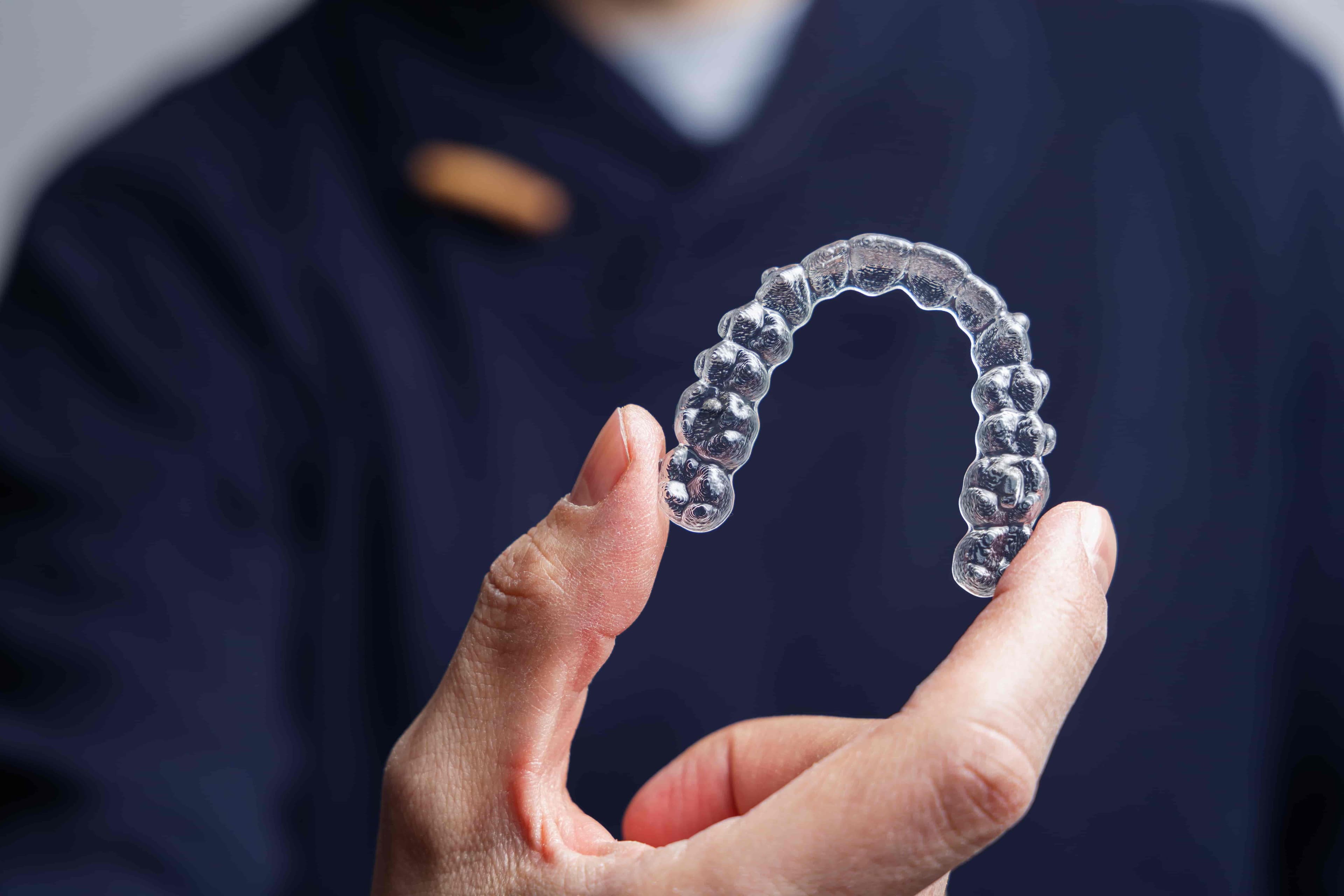
ProAligners are a dentist-supervised clear aligner system used to treat a range of orthodontic concerns. They work by using a series of custom-made, transparent plastic trays that gradually guide the teeth into improved positions. Each tray represents a stage in the treatment plan, with patients progressing to a new set at regular intervals.
ProAligners are one of several invisible braces options available to patients seeking a discreet approach to teeth straightening. They are supervised by a qualified dentist throughout the treatment process.
Lingual braces are a fixed orthodontic system in which custom-made brackets are bonded to the lingual (tongue-side) surfaces of the teeth. Because the brackets are positioned behind the teeth, they are largely hidden from view during normal conversation and smiling.
When considering lingual braces cost in the UK, it is worth noting that the custom laboratory fabrication required for each bracket contributes to a higher price point compared to many other orthodontic systems. The precise cost depends on case complexity, the number of arches treated, and clinic location.
Understanding the mechanics behind clear aligners vs hidden braces can help clarify why each system is suited to different clinical situations. Although both aim to improve tooth alignment, they achieve this through fundamentally different mechanisms.
Neither system is capable of treating all orthodontic cases. Your clinician will assess your specific bite and alignment and recommend the approach that is most likely to achieve a predictable result.
Discretion is a primary concern for many adults considering orthodontic treatment. Both ProAligners and lingual braces are designed to be less noticeable than conventional braces, but they achieve this in different ways. For patients seeking discreet braces in London, understanding the visibility profile of each option is important.
Neither option is completely invisible in all situations. The choice between the two often comes down to personal preference and which trade-offs are more acceptable for the individual patient.
Comfort and the impact on speech are common concerns when choosing between orthodontic systems. Both ProAligners and lingual braces involve an adaptation period, though the nature of the adjustment differs.
The adaptation period is temporary for the majority of patients with both systems. If you have specific concerns about comfort or speech, these can be discussed during your orthodontic consultation.
Maintaining good oral hygiene during orthodontic treatment is essential for both aligner and fixed brace systems. However, the practical aspects of cleaning differ significantly between the two.
Regardless of the system chosen, maintaining thorough oral hygiene and attending regular dental hygiene appointments is critical for protecting the teeth and gums during orthodontic treatment.
Treatment duration depends on the complexity of the case, the system used, and patient compliance. Neither system can guarantee a specific timeline, and individual factors play a significant role in how quickly treatment progresses.
Your clinician can provide an estimated treatment duration based on your clinical assessment, but this is an estimate and the actual timeline may vary based on how your teeth respond to treatment.
Cost is an important factor for many patients when choosing between orthodontic systems. The pricing structures for lingual braces cost in the UK and clear aligner treatment differ due to the distinct materials, laboratory processes and appointment requirements involved.
| Cost Factor | ProAligners | Lingual Braces |
|---|---|---|
| Laboratory Fabrication | Digital tray manufacturing | Custom bracket and wire fabrication |
| Digital Planning | 3D scan and staged treatment plan | 3D scan and custom bracket design |
| Appointment Frequency | Periodic check-ups and tray progression | Regular wire adjustment appointments |
| London Overheads | Influenced by clinic location | Influenced by clinic location and specialist fees |
| Overall Cost Profile | Generally lower cost range | Typically higher due to custom fabrication |
Treatment costs are determined following a personalised clinical assessment. Both options represent an investment in oral health and aesthetics, and the total cost will depend on the specifics of your individual case.
The retention phase is a critical part of any orthodontic treatment. Without retention, teeth have a natural tendency to drift back towards their original positions over time. Retention planning should be discussed before treatment begins.
The type of retainer recommended will depend on your individual case and will be discussed as part of your overall treatment plan. Retention planning is personalised and forms an essential part of achieving a stable long-term result.
Choosing between ProAligners and lingual braces is a personal decision that should be guided by clinical assessment, honest discussion, and a clear understanding of what each system involves.
The most reliable way to determine which option is appropriate is to book an orthodontic assessment with a qualified clinician. They can evaluate your teeth, discuss your goals, and recommend the system that is most likely to achieve a stable, well-aligned result for your individual case. Orthodontic treatment suitability and costs are determined following a personalised clinical assessment.
Suitability depends on clinical complexity, lifestyle preferences and patient compliance. Clear aligners such as ProAligners are removable and may be well suited to mild-to-moderate cases, while lingual braces provide continuous corrective force and may be more appropriate for complex bite issues. Both systems can be effective when properly planned and supervised by a qualified clinician.
Lingual braces are positioned on the back surfaces of the teeth, making them less visible from the front than conventional braces. However, they are not completely invisible in all situations. They may be noticeable when the mouth is open wide, such as during laughter or yawning. They remain one of the most discreet fixed orthodontic options available.
Lingual braces costs in the UK vary depending on case complexity, the number of arches being treated, laboratory fabrication fees and the location of the practice. London clinics may carry higher overheads that influence pricing. A personalised consultation is required for an accurate cost estimate based on your individual treatment needs.
Aligners can be effective for many orthodontic cases when worn as prescribed for the recommended 20 to 22 hours per day. However, some complex cases involving significant bite correction, rotations or vertical tooth movements may be more predictably managed with fixed systems such as lingual braces. Your clinician can advise on the most appropriate system for your case.
Yes, retention is typically required after any orthodontic treatment to maintain the results achieved. Without retention, teeth have a natural tendency to shift back towards their original positions. The type of retainer recommended — removable or bonded — depends on the individual case and is discussed as part of your treatment plan.