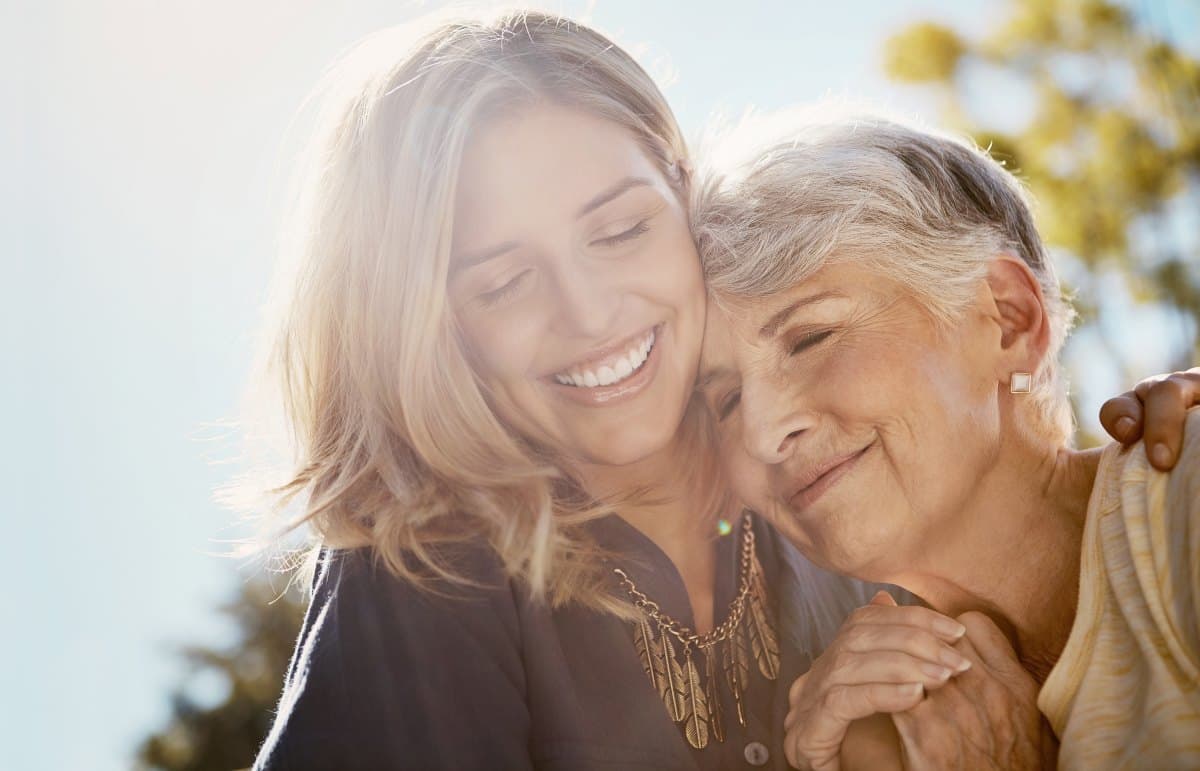
Teeth whitening remains one of the most commonly requested cosmetic dental treatments across diverse age groups. Many patients wonder whether whitening effectiveness and safety considerations change with age. Understanding the natural evolution of tooth structure over time provides valuable insight into how enamel and dentine modifications may influence both whitening outcomes and sensitivity responses.
As we age, our teeth undergo gradual structural changes that can affect colour appearance, treatment responses, and comfort levels during whitening procedures. These natural alterations in enamel thickness, dentine characteristics, and overall tooth composition help explain why whitening experiences may vary between patients in their twenties and those in their fifties.
At a Glance: Does Age Affect Teeth Whitening Safety and Results?
Age-related changes in enamel and dentine may influence how teeth respond to whitening treatment. Younger teeth often have thicker enamel and lighter dentine, while older teeth may show more wear, staining, or sensitivity. Professional assessment helps guide safe and realistic whitening planning at different ages.
Key Points:
- Enamel and dentine change gradually with age
- Whitening responses vary between individuals
- Older teeth may contain deeper staining or more exposed dentine
- Sensitivity risk can differ depending on enamel wear and gum recession
- Professional assessment supports safer treatment planning
How Teeth Naturally Change with Age
Tooth structure undergoes continuous, gradual modifications throughout life. These changes occur at both microscopic and visible levels, affecting how teeth appear and respond to various treatments.
Enamel, the hard outer layer protecting teeth, experiences wear from daily function including chewing, grinding, and exposure to dietary acids. Over decades, this protective layer gradually thins, particularly on biting surfaces and areas subject to abrasion. The natural wearing process varies significantly between individuals based on factors including bite patterns, dietary habits, and oral health maintenance.
Beneath the enamel, dentine undergoes its own age-related changes. This layer naturally darkens and thickens over time, contributing to the yellowing appearance often observed in older teeth. Additionally, dentine tubules may become more sclerotic, potentially affecting sensitivity responses during whitening treatment.
Gum recession, while not universal, becomes more common with age and can expose root surfaces that were previously protected by gum tissue. These exposed areas contain different structural characteristics compared to crown surfaces and may respond differently to whitening agents.
The accumulation of extrinsic stains from coffee, tea, wine, and other pigmented substances also tends to increase over time, creating deeper, more established discolouration that may require different treatment approaches.
Whitening Characteristics in Younger Adults
Patients in their twenties typically present with relatively thick enamel layers that have experienced less wear compared to older adults. This thicker enamel provides better protection for underlying dentine and may contribute to different whitening responses.
The dentine in younger teeth generally appears lighter in colour, which can enhance the overall whitening effect when enamel becomes more translucent during treatment. Additionally, younger patients often have fewer dental restorations, reducing complications related to colour matching with existing crowns or fillings.
However, sensitivity responses in younger adults can vary considerably. Some may experience temporary sensitivity during whitening treatment, while others notice minimal discomfort. Individual factors including enamel porosity, dentine characteristics, and previous dental experiences all influence comfort levels.
For younger patients considering professional home teeth whitening in London, lifestyle factors such as smoking, frequent consumption of staining beverages, and oral hygiene habits significantly impact both initial results and long-term maintenance requirements.
Whitening Considerations in Older Adults
Patients in their fifties and beyond often present with more complex dental situations that require careful evaluation before whitening treatment. Enamel thinning from decades of normal wear can result in increased dentine visibility, contributing to the natural yellowing process associated with ageing.
Existing dental work becomes more common in older patients, including crowns, bridges, and fillings that will not respond to whitening agents in the same way as natural tooth structure. This creates potential for colour mismatches that require discussion during treatment planning.
Gum recession, when present, exposes root surfaces that contain different structural properties compared to crown areas. These exposed roots may be more sensitive to whitening agents and require modified treatment approaches or additional protection during treatment.
The accumulation of deep, long-term staining from lifestyle factors creates additional challenges. While surface stains may respond well to whitening, intrinsic discolouration that has developed over decades may require realistic expectation setting regarding achievable shade improvements.
Does Whitening Become Less Effective with Age?
Whitening effectiveness varies considerably between individuals regardless of age, making generalizations challenging. However, certain age-related factors may influence treatment outcomes in predictable ways.
Older teeth with significant intrinsic staining may require longer treatment periods or multiple whitening cycles to achieve desired shade improvements. The deeper penetration of stains into dentine over time can create more resistant discolouration compared to surface stains typically found in younger patients.
Existing restorations present additional complexity in older patients. Crowns, bridges, and fillings maintain their original shade during whitening treatment, potentially creating noticeable colour differences with surrounding natural teeth. This may necessitate restoration replacement following whitening to achieve uniform colour appearance.
Despite these considerations, many older adults achieve satisfactory whitening results when treatment plans account for individual tooth conditions and realistic expectations. Professional assessment helps identify suitable candidates and appropriate treatment approaches regardless of age.
How Sensitivity Risk May Change Over Time
Sensitivity risk during whitening treatment relates closely to tooth structure characteristics and existing oral health conditions. Age-related changes can influence these factors in various ways.
Enamel wear and dentine exposure may increase sensitivity potential in some older adults, particularly when gum recession has exposed root surfaces. These areas lack the protective enamel covering found on crown portions and may respond more sensitively to whitening agents.
Conversely, some older teeth develop sclerotic dentine that may actually reduce sensitivity compared to younger teeth with more open dentine tubules. Individual variation in these structural changes makes professional evaluation essential for predicting sensitivity responses.
Pre-existing sensitivity from various causes including acid erosion, grinding, or recession may be exacerbated during whitening treatment. Professional assessment helps identify these risk factors and implement appropriate preventive measures.
Maintaining good oral hygiene through professional dental hygiene care in London supports healthier gum tissue and may reduce sensitivity risk during whitening treatment across all age groups.
Why Professional Assessment Matters at Any Age
Professional dental evaluation before whitening treatment provides essential information for safe and effective treatment planning. This assessment becomes particularly important given the individual variation in age-related tooth changes.
Thorough examination identifies existing dental conditions that may contraindicate whitening or require treatment before cosmetic procedures. These include active decay, failing restorations, gum disease, or structural problems that could be exacerbated by whitening agents.
Assessment of enamel condition, existing sensitivity, and gum health helps predict likely treatment responses and identify necessary precautions. Professional evaluation also provides opportunity for realistic expectation setting regarding achievable shade improvements.
Individual tooth characteristics vary significantly even within age groups, making clinical assessment more valuable than age-based generalizations for treatment planning decisions.
Can Existing Dental Work Affect Whitening Results?
Dental restorations including crowns, bridges, veneers, and fillings do not respond to whitening agents in the same manner as natural tooth structure. This creates important considerations for treatment planning, particularly in older patients who more commonly have existing dental work.
Composite fillings and ceramic crowns maintain their original shade throughout whitening treatment, potentially creating noticeable colour differences with surrounding natural teeth that become lighter during treatment. This may result in the need for restoration replacement following whitening to achieve uniform colour appearance.
The extent of existing dental work influences both treatment planning and cost considerations. Patients with multiple visible restorations may require comprehensive cosmetic planning that extends beyond whitening alone.
Professional evaluation through a private cosmetic dental consultation in London helps identify these factors and develop appropriate treatment sequencing when multiple procedures may be beneficial.
How Lifestyle Habits Influence Whitening Outcomes Over Time
Long-term lifestyle habits significantly impact both natural tooth colour and whitening treatment outcomes. The cumulative effects of these habits become more apparent with age, influencing treatment planning and maintenance requirements.
Smoking and tobacco use create deep, persistent stains that penetrate tooth structure over time. These stains may require extended treatment periods and may not respond as completely as stains from other sources. Additionally, continued tobacco use will rapidly diminish whitening results.
Regular consumption of staining beverages including coffee, tea, red wine, and cola contributes to gradual colour changes that accumulate over decades. While these stains often respond well to whitening treatment, ongoing consumption patterns will influence maintenance requirements.
Oral hygiene habits directly impact stain accumulation and overall tooth health. Consistent, effective cleaning helps prevent stain buildup and maintains healthier tooth structure that may respond more predictably to whitening treatment.
Dietary acid exposure from citrus fruits, carbonated beverages, and other acidic foods can contribute to enamel erosion that may affect both tooth appearance and whitening responses. These effects typically become more pronounced over time.
Common Misunderstandings About Age and Whitening
Several misconceptions exist regarding age-related considerations for teeth whitening that may prevent patients from seeking appropriate treatment.
The belief that whitening is only suitable for younger patients lacks scientific foundation. While age-related tooth changes may influence treatment approaches, many older adults achieve satisfactory whitening results with appropriate treatment planning.
Conversely, the assumption that older teeth will automatically experience more sensitivity during whitening oversimplifies the complex relationship between age and tooth structure. Individual variation in dentine characteristics and enamel condition makes professional assessment more valuable than age-based predictions.
Some patients believe that more aggressive whitening approaches will overcome age-related colour changes more effectively. However, conservative treatment planning often provides better long-term outcomes with reduced risk of sensitivity or enamel damage.
The misconception that whitening results will be identical regardless of starting tooth colour or existing conditions may lead to unrealistic expectations. Professional consultation helps establish achievable goals based on individual circumstances.
A Balanced Perspective on Whitening Across Different Ages
Teeth whitening can be safely performed across diverse age groups when appropriate assessment and treatment planning guide the process. While age-related changes in enamel and dentine may influence both treatment responses and sensitivity patterns, individual variation makes professional evaluation more valuable than age-based generalizations.
Younger adults often present with thicker enamel and fewer complicating factors, potentially allowing for more straightforward treatment approaches. However, individual sensitivity responses and lifestyle factors still require consideration during treatment planning.
Older adults may require more complex treatment planning due to existing dental work, enamel wear, or accumulated staining, but many achieve satisfactory whitening results with appropriate professional guidance. Understanding age-related changes helps set realistic expectations and implement necessary precautions.
Conservative treatment approaches that account for individual tooth conditions, existing oral health status, and realistic shade improvement goals support favourable whitening outcomes across all age groups, and older patients may also find smile makeovers after 50: balancing aesthetics with geriatric oral health needs a relevant related read. groups. Professional supervision ensures safety while maximizing treatment effectiveness within appropriate clinical parameters.
People Also Ask
Does teeth whitening work differently with age?
Age-related enamel and dentine changes may influence whitening results and sensitivity.
Can older teeth still be whitened safely?
Many older adults may still whiten safely following professional assessment and appropriate treatment planning.
Why do older teeth look darker?
Enamel thinning and darker dentine visibility may contribute to age-related tooth darkening.
Are younger teeth easier to whiten?
Younger teeth may sometimes respond differently due to enamel thickness and lighter dentine.
Does whitening increase sensitivity more in older adults?
Sensitivity risk may increase when enamel wear or gum recession exposes more dentine surfaces.
Disclaimer: This article is intended for general educational purposes only and does not constitute personalised dental or medical advice. Individual diagnosis and treatment recommendations require a clinical examination by a qualified professional.
Next Review Due: 14 May 2027
Ready to Book an Appointment?
Our team is here to help you with all your dental and medical needs.
For general information only — not a substitute for professional advice. In an emergency call 999, visit A&E, or call NHS 111.