Ready to Book an Appointment?
Our team is here to help you with all your dental and medical needs.
For general information only — not a substitute for professional advice. In an emergency call 999, visit A&E, or call NHS 111.
Our team is here to help you with all your dental and medical needs.
For general information only — not a substitute for professional advice. In an emergency call 999, visit A&E, or call NHS 111.
Dental veneers have become one of the most sought-after cosmetic dental treatments in London, offering patients the opportunity to transform the appearance of their smile. Yet for many considering this option, a fundamental question remains: are dental veneers truly worth the investment? This guide explores what veneers can realistically achieve, how long they last, and the key factors that determine whether they represent a suitable choice for your individual circumstances in 2026.
Dental veneers are thin, custom-made shells designed to cover the front surface of teeth, improving their colour, shape, size, or length. They are typically crafted from porcelain or composite resin materials and are permanently bonded to the natural tooth structure. For patients exploring dental veneers in London, understanding the treatment process is essential for making an informed decision.
The procedure generally involves an initial consultation and assessment, during which your dentist evaluates your oral health, discusses your aesthetic goals, and determines whether veneers are appropriate for your needs. If you proceed, a small amount of enamel is usually removed from the front of each tooth to accommodate the veneer—this is an irreversible step that requires careful consideration. Impressions are taken, and your custom veneers are fabricated, typically in a dental laboratory. Once ready, the veneers are bonded to your teeth using a strong dental adhesive.
Whether dental veneers represent good value depends entirely on your individual circumstances, expectations, and oral health. Veneers can be highly effective for addressing specific cosmetic concerns, including persistent discolouration that does not respond to whitening, chipped or worn teeth, minor gaps between teeth, and teeth that appear uneven or irregularly shaped.
For patients whose concerns fall within these categories and who have healthy underlying teeth and gums, veneers often deliver satisfying results that can last many years. The psychological benefit of feeling confident about one's smile should not be underestimated, and many patients report significant improvements in their self-assurance following treatment.
However, veneers are not suitable for everyone. Patients with significant decay, gum disease, or those who grind their teeth heavily may not be ideal candidates without addressing these issues first. Additionally, the irreversible nature of enamel removal means that once you have veneers, you will always need some form of restoration on those teeth. This commitment is worth weighing carefully before proceeding.
The longevity of dental veneers varies depending on the material used, the skill of the dentist, and how well they are maintained. Porcelain veneers are known for their durability and stain resistance, with many lasting between ten and fifteen years, and in some cases longer. Composite resin veneers typically have a shorter lifespan, often requiring replacement or repair within five to seven years.
Several factors influence how long your veneers will last. Your oral hygiene habits play a crucial role—regular brushing, flossing, and professional cleanings help maintain both the veneers and the underlying teeth. Dietary habits also matter; while porcelain is highly stain-resistant, composite materials may discolour over time if exposed to tea, coffee, red wine, or tobacco.
Patients who grind or clench their teeth, a condition known as bruxism, may experience premature wear or chipping of their veneers. In such cases, wearing a protective night guard can help extend the lifespan of the restorations. Regular dental check-ups allow your dentist to monitor the condition of your veneers and address any minor issues before they become more significant problems.
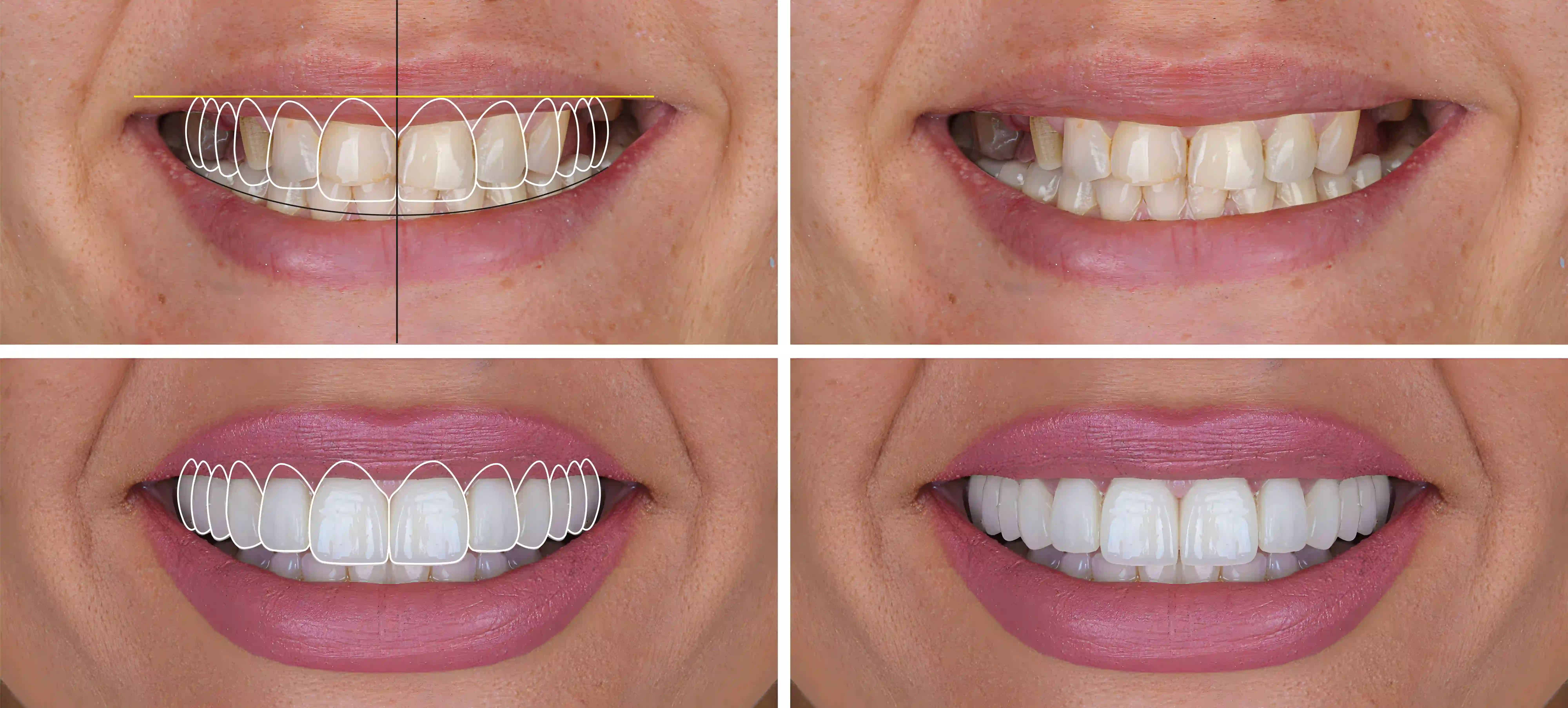
Dental veneers can produce noticeable improvements in the appearance of your smile, but it is important to approach treatment with realistic expectations. A skilled dentist will work to create veneers that complement your facial features, skin tone, and the natural characteristics of your remaining teeth. The goal is typically a natural-looking enhancement rather than an artificial uniformity.
The final result depends on several factors, including the starting condition of your teeth, the quality of the materials used, and the expertise of the dental team. During your consultation, your dentist should be able to show you examples of previous work and may use digital imaging or mock-ups to help you visualise potential outcomes. This collaborative approach ensures that your expectations align with what can realistically be achieved.
It is worth noting that veneers address the visible surfaces of teeth only. They do not straighten teeth, correct significant bite problems, or replace missing teeth. For patients with more complex dental needs, a combination of treatments may be recommended. Your dentist will advise on the most appropriate approach during your assessment.
Determining whether veneers are suitable requires a thorough assessment of your oral health, aesthetic goals, and lifestyle. Veneers may be an excellent choice if you have healthy teeth and gums, your concerns are primarily cosmetic rather than structural, and you are prepared for the commitment that comes with this type of restoration.
For some patients, cosmetic dental alternatives such as composite bonding, teeth whitening, or orthodontic treatment may be more appropriate first steps. Composite bonding, for example, can address similar concerns with less removal of natural tooth structure, making it a more reversible option. Orthodontics may be preferable for patients whose primary concern is tooth alignment rather than colour or shape.
The decision should never be rushed. A reputable dental practice will encourage you to take time to consider your options, ask questions, and fully understand what treatment involves before making any commitment. If you are uncertain about which approach is right for you, arranging a cosmetic dentistry consultation provides an opportunity to discuss your concerns in detail with a qualified professional.
While this article does not discuss specific fees, it is important to understand that dental veneers represent a significant investment. The value of that investment is best measured not simply in monetary terms but in terms of durability, quality of materials, the expertise of the dental team, and the long-term maintenance requirements.
When considering treatment, it is wise to look beyond initial outlay and consider the overall value proposition. Higher-quality porcelain veneers crafted by an experienced dentist may cost more initially but could prove more economical over time if they last longer and require fewer repairs. Conversely, choosing treatment based solely on the lowest available price may lead to less satisfactory outcomes and additional expense in the future.
During your consultation, ask about the materials that will be used, the laboratory that will fabricate your veneers, and the experience of the dentist in performing this type of treatment. A transparent practice will be happy to answer these questions and help you understand what you can expect for your investment.
Once your veneers are in place, caring for them properly is essential to ensure they last as long as possible. Good oral hygiene practices remain fundamental—brush twice daily with a non-abrasive toothpaste, floss carefully around the veneer margins, and attend regular dental appointments for professional cleaning and examination.
While porcelain veneers are resistant to staining, the natural tooth structure at the margins can still discolour. Limiting consumption of heavily pigmented foods and beverages and avoiding tobacco products will help maintain a uniform appearance. Additionally, avoid using your teeth to bite hard objects such as ice, fingernails, or packaging, as this can chip or damage the veneers.
If you experience any issues with your veneers, such as chips, loosening, or sensitivity, contact your dentist promptly. Early intervention can often address minor problems before they become more serious, potentially extending the lifespan of your restorations.
Dental veneers can be an excellent option for patients seeking to improve the appearance of their smile, offering durable, natural-looking results when placed by a skilled dentist. However, they represent a significant commitment and are not suitable for everyone. Understanding the treatment process, realistic outcomes, longevity expectations, and maintenance requirements is essential for making an informed decision.
If you are considering dental veneers and would like to explore whether they may be appropriate for your individual circumstances, we welcome you to arrange a consultation with our dental team. A thorough assessment will help clarify your options and ensure that any treatment you choose aligns with your aesthetic goals and long-term oral health.