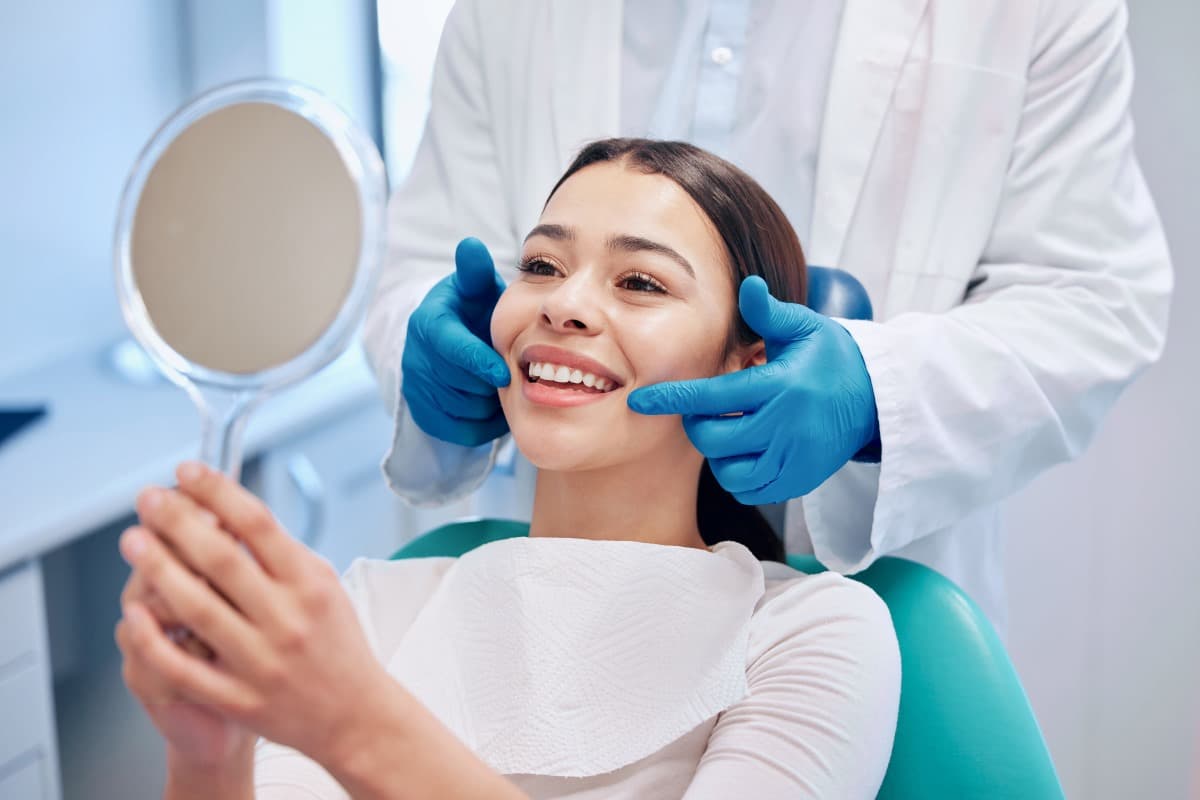
Many patients considering cosmetic dental treatment worry about disrupting their professional lives whilst undergoing extensive dental work. The question of time off work for a comprehensive smile makeover is amongst the most common concerns raised during initial consultations, as adults need to balance their desire for improved oral health with their career responsibilities.
Understanding the recovery timeline for smile makeover procedures helps patients make informed decisions about scheduling treatment around work commitments. A comprehensive smile makeover typically involves multiple dental procedures, each with different healing requirements and potential temporary effects on speech, eating, and appearance.
This article explains the factors that influence recovery time, what patients can expect during different treatment phases, and practical considerations for planning time away from work. We'll explore how various procedures affect daily activities and provide guidance on managing professional obligations during dental transformation. Individual treatment plans vary significantly, so recovery periods depend on the specific procedures included in each patient's smile makeover journey.
How long should I take off work for a smile makeover?
Patients typically require 3-7 days off work for a comprehensive smile makeover, depending on the procedures involved and individual healing patterns, though treatment suitability and recovery times depend on individual clinical assessment. Initial treatments often cause temporary swelling, sensitivity, or speech changes that may affect professional confidence. Recovery time varies based on treatment complexity, with some patients returning to work within 2-3 days whilst others need up to two weeks for complete comfort.
Understanding Comprehensive Smile Makeover Treatment
A comprehensive smile makeover combines multiple dental procedures to address aesthetic, functional, and health concerns simultaneously. Treatment may include porcelain veneers, crowns, dental implants, orthodontic work, gum reshaping, and teeth whitening to create a coordinated improvement in smile appearance and oral health.
The complexity of smile makeover treatment means that recovery periods vary significantly between patients. Some procedures, such as professional teeth whitening or composite bonding, cause minimal disruption to daily activities. However, more extensive treatments involving surgical elements or multiple appointments over several weeks require careful planning around professional commitments.
Modern dental techniques aim to minimise discomfort and reduce healing time, but patients should understand that comprehensive smile transformation involves a process rather than instant results. The combination of procedures affects recovery planning, as some treatments must heal completely before subsequent procedures can be performed safely.
Recovery Timeline for Common Smile Makeover Procedures
Different cosmetic dental procedures have varying recovery periods that influence work planning decisions. Porcelain veneers typically require 2-5 days for initial healing, during which patients may experience temporary sensitivity to temperature and pressure changes. Speech may be slightly affected for the first 48-72 hours as patients adapt to the new tooth shape and size.
Dental crown preparation often involves more significant discomfort, particularly when multiple teeth are treated simultaneously. Patients frequently take 3-7 days off work to manage initial sensitivity and allow temporary crowns to settle comfortably. Final crown placement usually requires only 1-2 days for adjustment to the new bite and restored function.
Surgical procedures such as dental implant placement or gum recontouring typically necessitate longer recovery periods. Patients may need 5-10 days away from work to manage swelling, follow post-operative care instructions, and ensure proper healing without professional stress or demanding schedules interfering with recovery.
Orthodontic elements of smile makeovers, including clear aligners or traditional braces, rarely require time off work for initial placement but may cause temporary speech changes and eating difficulties during the first week of treatment.
Factors Affecting Your Recovery Period
Individual healing patterns significantly influence recovery time requirements for smile makeover procedures. Age, general health, oral hygiene status, and lifestyle factors all affect how quickly patients recover from dental treatment. Younger patients often heal more rapidly, whilst those with certain medical conditions may require extended recovery periods.
The extent of treatment plays a crucial role in determining time off work. Patients receiving minor cosmetic improvements such as teeth whitening may return to work immediately, whilst those undergoing full mouth reconstruction require significantly longer recovery periods.
Professional demands also influence recovery planning. Patients whose careers involve extensive speaking, client-facing interactions, or physically demanding activities may need additional time to feel confident returning to work. Those with flexible work arrangements or office-based roles often manage with shorter recovery periods.
Anxiety levels and pain tolerance vary between individuals, affecting comfort with returning to professional activities. Some patients prefer additional recovery time to ensure complete confidence in their appearance and function before resuming normal work schedules.
Managing Work During Treatment Phases
Comprehensive smile makeovers often involve multiple appointment phases spread over several weeks or months. Planning work schedules around treatment phases helps minimise professional disruption whilst ensuring adequate recovery time between procedures.
Temporary restorations or healing periods between treatment stages may cause ongoing sensitivity or slight appearance changes that affect professional confidence. Some patients arrange flexible working arrangements or reduced client contact during transitional phases of treatment.
Communication with employers about medical appointments helps manage expectations about potential schedule changes. Many patients find that advance planning and honest discussion about recovery needs prevents workplace stress during treatment periods.
Scheduling major treatment phases during quieter work periods, school holidays, or planned vacation time allows for optimal healing without professional pressure. This approach enables patients to focus on recovery and adaptation to their new smile without additional stress.
Preventing Complications That Extend Recovery
Following post-operative instructions carefully helps ensure predictable recovery timelines and reduces the risk of complications that might extend time away from work. Proper oral hygiene, medication compliance, and activity restrictions all contribute to successful healing within expected timeframes.
Avoiding hard, sticky, or extremely hot foods during initial recovery prevents damage to temporary restorations and reduces sensitivity. Patients who follow dietary guidelines typically experience more comfortable recovery periods and return to work as planned.
Smoking cessation significantly improves healing outcomes for all dental procedures, particularly those involving surgical elements. Patients who continue smoking may experience delayed healing, increased risk of complications, and extended recovery periods affecting work plans.
Managing stress levels during recovery supports the body's natural healing processes. Patients who plan adequate rest and avoid demanding activities during initial healing often recover more quickly and comfortably.
Key Points to Remember
- Recovery time for smile makeovers typically ranges from 3-7 days, depending on treatment complexity and individual factors
- Different procedures have varying recovery requirements, with surgical treatments generally needing longer healing periods
- Professional demands and individual comfort levels influence decisions about returning to work
- Planning treatment phases around work schedules helps minimise professional disruption
- Following post-operative care instructions carefully supports predictable recovery timelines
- Flexible work arrangements during treatment phases can reduce stress and support healing
Frequently Asked Questions
Can I work from home during smile makeover recovery?
Working from home is often possible during recovery, particularly for patients whose roles don't require extensive speaking or client interaction. However, some procedures may cause temporary speech changes or discomfort that affects concentration and productivity. Many patients find that reducing workload during the first 2-3 days helps manage recovery more comfortably whilst maintaining some professional activity.
Will I be able to eat normally during recovery?
Eating habits typically require modification during initial recovery from smile makeover procedures. Most patients can consume soft foods immediately but may need to avoid hard, sticky, or extremely hot foods for several days. Speech and chewing function usually return to normal within a week, though temporary sensitivity may affect food choices. Your dental team will provide specific dietary guidelines based on your treatment plan.
How long will my smile look different during healing?
Temporary appearance changes during smile makeover recovery vary depending on the procedures involved. Initial swelling typically subsides within 3-5 days, whilst temporary restorations may look different from final results. Some patients experience minor colour variations or shape adjustments during healing phases. Final aesthetic results become apparent once all swelling resolves and permanent restorations are placed.
Should I schedule follow-up appointments during work hours?
Follow-up appointments are essential for monitoring healing and ensuring optimal results but are typically brief and cause minimal disruption to work schedules. Most post-operative visits last 15-30 minutes and don't require additional recovery time. Scheduling these appointments during lunch breaks or at the beginning or end of the workday often works well for busy professionals.
What if I experience complications during recovery?
Whilst complications from smile makeover procedures are uncommon, any unexpected pain, swelling, or concerns should be addressed promptly by your dental team. Having a clear communication plan with your dentist and understanding emergency contact procedures helps ensure rapid resolution of any issues. Most complications can be managed quickly without significantly extending recovery time.
Can I attend important work meetings during recovery?
Attending important meetings during recovery depends on individual comfort levels and the extent of treatment received. Many patients feel confident participating in meetings within 2-3 days of treatment, whilst others prefer to wait until any swelling subsides completely. Virtual meetings often provide a comfortable compromise during initial recovery phases.
Conclusion
Planning appropriate time off work for a comprehensive smile makeover requires consideration of individual treatment plans, healing patterns, and professional demands. Most patients find that 3-7 days provides adequate recovery time for common smile makeover procedures, though individual needs may vary significantly.
Understanding the factors that influence recovery helps patients make informed decisions about scheduling treatment around work commitments. Proper planning, following post-operative instructions, and maintaining realistic expectations about healing timelines contribute to successful outcomes and smooth return to professional activities.
Working closely with your dental team to understand your specific treatment plan and expected recovery timeline ensures that you can plan adequate time away from work whilst achieving your desired smile transformation goals. Treatment suitability and recovery planning depend on individual clinical assessment. Dental symptoms and treatment options should always be assessed individually during a clinical examination by a qualified dental professional.
Disclaimer: This article is intended for general educational purposes only and does not constitute personalised dental or medical advice. Individual diagnosis and treatment recommendations require a clinical examination by a qualified professional.
Next Review Due: 05 June 2027
Ready to Book an Appointment?
Our team is here to help you with all your dental and medical needs.
For general information only — not a substitute for professional advice. In an emergency call 999, visit A&E, or call NHS 111.