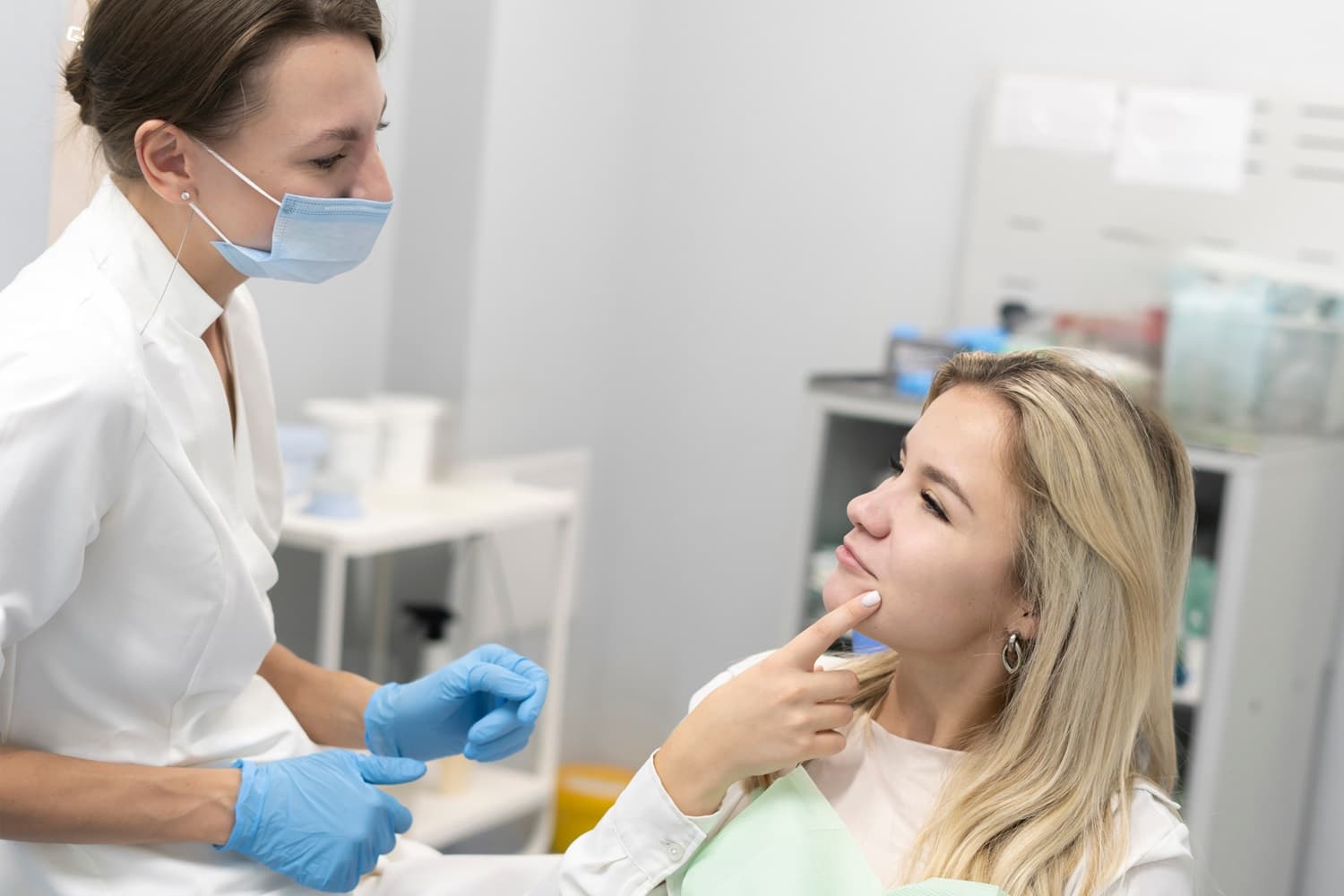
A dental hygienist in South Kensington is a registered dental professional who specialises in preventive oral care. Their role centres on maintaining the health of your gums and teeth through professional cleaning, assessment, and personalised advice. While often associated with a routine scale and polish, the scope of a hygienist's work extends well beyond surface cleaning. Regular hygiene appointments are one of the most effective ways to support long-term oral stability, reduce the risk of gum disease, and keep your mouth feeling clean and healthy between dental check-ups.
What Is the Role of a Dental Hygienist?
A dental hygienist is a clinically trained professional who focuses on the prevention and management of gum disease, plaque control, and oral health education. They work alongside dentists to help patients maintain healthy gums and teeth over the long term.
- Remove plaque and tartar — professional removal of deposits that brushing alone cannot address
- Provide scale and polish — thorough cleaning to leave teeth smooth and free of surface build-up
- Assess gum health — measuring pocket depths and checking for signs of inflammation
- Deliver preventive advice — tailored guidance on brushing technique, interdental cleaning, and lifestyle factors
- Support long-term oral stability — helping to maintain the health of teeth, gums, and dental restorations
Preventive dentistry is the foundation of good oral health. By attending regular hygiene appointments in South Kensington, you give your hygienist the opportunity to identify early signs of gum disease, monitor changes in your oral health, and provide professional care that complements your daily routine at home. This proactive approach is generally simpler and more comfortable than treating problems once they have become established.
What Happens at a Hygiene Appointment?
A hygiene appointment is a structured clinical visit designed to clean your teeth professionally, assess the health of your gums, and provide you with personalised advice on maintaining your oral health between visits.
- Medical history update — reviewing any changes to your health, medications, or lifestyle that may affect your oral care
- Gum health assessment — checking for bleeding, inflammation, and measuring pocket depths around each tooth
- Scaling (manual or ultrasonic) — removing hardened plaque and calculus from above and below the gum line
- Polishing or airflow — smoothing tooth surfaces and removing surface staining for a clean, fresh feel
- Oral hygiene instruction — demonstrating effective brushing and interdental cleaning techniques tailored to your needs
Your hygienist may also discuss whether any additional dental care would be beneficial. For example, if signs of wear, old restorations, or structural concerns are noted, they may suggest discussing restorative dentistry options with your dentist. The hygiene appointment is an opportunity to take a comprehensive look at your oral health in a calm, unhurried setting.
How Do Hygienists Help Prevent Gum Disease?
Gum disease is one of the most common oral health conditions, yet it is largely preventable with consistent professional care and good home hygiene. Hygienists play a central role in both the prevention and ongoing management of gum disease in South Kensington.
- Removal of calculus — hardened deposits that harbour bacteria and contribute to gum inflammation
- Monitoring pocket depths — tracking changes in gum attachment over time to detect early progression
- Early detection of inflammation — identifying gingivitis before it has the opportunity to progress
- Maintenance planning — establishing a review schedule tailored to your individual risk level
Gingivitis is the earliest stage of gum disease and is characterised by redness, swelling, and bleeding of the gums. At this stage, the condition is generally reversible with professional cleaning and improved home care. If left unmanaged, gingivitis may progress to periodontitis, a more advanced form of gum disease that affects the bone supporting the teeth. Regular hygiene appointments provide the opportunity to intervene early, before more complex treatment becomes necessary.
Can a Hygienist Help with Stains and Fresh Breath?
Surface staining from tea, coffee, red wine, and other pigmented foods is a common concern. While a hygiene appointment is primarily focused on health, the cleaning process can also improve the appearance and freshness of your teeth as a natural outcome of thorough plaque and stain removal.
- Surface stain removal — polishing and airflow techniques can reduce visible discolouration caused by everyday dietary factors
- Airflow polishing — a gentle method that uses a fine powder and water jet to lift staining from tooth surfaces
- Plaque control — removing bacterial deposits that can contribute to halitosis
- Advice on lifestyle factors — practical guidance on managing staining from food, drink, and smoking
It is worth noting that a scale and polish in South Kensington is a clinical cleaning procedure, not a cosmetic whitening treatment. While stain removal can leave teeth looking cleaner and brighter, results will vary depending on the type and extent of staining. Your hygienist can discuss what to expect and advise on further options if appropriate.
Do Hygienists Work with Patients Who Have Implants?
Patients with dental implants benefit from regular professional maintenance to support the long-term health of the implant and surrounding tissues. Hygienists use specialised techniques and instruments designed specifically for implant care.
- Implant maintenance cleaning — using non-metallic instruments to clean around implant components without causing surface damage
- Monitoring peri-implant tissues — assessing the gums and bone around each implant for signs of inflammation or changes
- Preventing peri-implantitis — an inflammatory condition that can affect the bone supporting an implant if plaque is not managed effectively
- Specialised instruments used — titanium-compatible tips and gentle cleaning methods that protect the implant surface
If you have dental implants in South Kensington, your hygienist will tailor each appointment to the specific maintenance needs of your implants. Regular monitoring helps ensure that any early signs of peri-implant inflammation are identified promptly, supporting the ongoing stability and function of your implants.
Is a Hygienist Appointment Painful?
Many patients find hygiene appointments comfortable and straightforward. Some sensitivity during cleaning is normal, particularly if there is existing gum inflammation or significant calculus build-up, but this is usually mild and temporary.
- Mild sensitivity possible — particularly around areas with inflammation or recession
- Usually manageable — most patients tolerate the procedure well without the need for anaesthesia
- Depends on gum condition — patients with healthier gums generally experience less sensitivity
- Communication encouraged — your hygienist will check in regularly and can adjust their approach if needed
If you are anxious about visiting the hygienist, it is helpful to let the team know before your appointment. Most hygienists are experienced in working with patients who feel nervous and can take extra time to explain each step, offer breaks, and ensure you feel as comfortable as possible throughout your visit.
Who Should See a Dental Hygienist Regularly?
While everyone can benefit from regular professional cleaning, certain groups of patients may particularly benefit from a consistent hygiene schedule. Your hygienist can advise on the most appropriate frequency based on your individual needs and risk factors.
- Patients with a history of gum disease — ongoing maintenance helps prevent recurrence and supports gum stability
- Implant patients — regular monitoring of peri-implant tissues is important for long-term implant health
- Smokers — smoking increases the risk of gum disease and may mask early symptoms
- Patients with orthodontic appliances — braces and aligners can make effective cleaning more challenging
- Those prone to staining — regular cleaning helps manage discolouration from dietary and lifestyle factors
Even if your oral health is generally good, routine hygiene appointments provide a valuable opportunity for professional assessment and early detection of any changes. Prevention is a continuous process, and regular visits help ensure that small issues are addressed before they develop into larger concerns.
Choosing a Dental Hygienist in South Kensington
When selecting a private dental hygienist near South Kensington, it is worth considering a practice that takes a preventive, patient-centred approach to oral health. A good hygienist will take the time to understand your individual needs, explain their findings clearly, and develop a maintenance plan that supports your long-term wellbeing.
- Preventive focus — prioritising early intervention and ongoing maintenance over reactive treatment
- Individualised care — tailoring each appointment to your clinical history, risk factors, and personal goals
- Maintenance planning — recommending a review schedule that reflects your needs rather than a fixed interval
- No obligation — a hygiene appointment is a positive step you can take at any time, without commitment to further treatment
If you are looking for a private dental clinic in South Kensington, a hygiene appointment is an excellent starting point. It provides a thorough assessment of your current oral health, a professional clean, and clear guidance on how to maintain your teeth and gums between visits. Whether you are a new patient or looking to establish a regular hygiene routine, the team will work with you to create a plan that fits your needs.
Frequently Asked Questions
Do I need to see a hygienist if I brush well?
Even with excellent brushing, plaque can accumulate in areas that are difficult to reach at home, such as between teeth and along the gum line. A professional hygiene appointment removes hardened deposits that brushing alone cannot address, helping to reduce your risk of gum disease and maintain long-term oral health.
How long does a hygiene appointment take?
A standard hygiene appointment typically takes between 30 and 45 minutes. This includes a gum health assessment, professional scaling and polishing, and tailored oral hygiene advice. Some appointments may take slightly longer if airflow stain removal or more detailed cleaning is required.
Can a hygienist treat gum disease?
Hygienists play a key role in the management of gum disease. They remove plaque and calculus that contribute to inflammation, monitor gum pocket depths over time, and provide guidance on improving home care. For more advanced cases, a dentist or specialist periodontist may also be involved in your treatment plan.
Is scale and polish the same as deep cleaning?
A scale and polish is a routine cleaning that removes surface deposits and staining. Deep cleaning, sometimes referred to as root surface debridement, involves more thorough cleaning beneath the gum line and is typically recommended for patients with signs of gum disease. Your hygienist will advise which approach is appropriate for you.
How much does a hygienist cost in South Kensington?
The cost of a hygiene appointment varies depending on the type of treatment required and the length of the session. Private dental practices in South Kensington typically offer a range of hygiene options. Contact the practice directly for current pricing information and to discuss which appointment type suits your needs.