Dental Implants Near Me
Dental implants are titanium posts placed into the jawbone to replace missing tooth roots. They support a crown, bridge, or denture and are designed to look and function similarly to natural teeth. Available at our Central London clinics from £2,950, or from £1,475 for members.
Single Implant + Crown
Member price (50% off)
Consultation is complimentary. No obligation.
Dental Implant Pricing
Single tooth implant (implant + crown)
Member price (50% off)
- Titanium implant fixture
- Custom porcelain crown
- 3D CT scan and treatment planning
- Follow-up appointments included
- Temporary tooth during healing
Consultation is complimentary. No obligation. Your dentist will provide a personalised quote after examination.
0% finance available for up to 12 months, subject to status. Extended plans up to 60 months also available.
What Are Dental Implants?
A dental implant is a small titanium post that is surgically placed into the jawbone to replace the root of a missing tooth. Once the implant has integrated with the bone — a natural process called osseointegration — it provides a stable foundation for a replacement tooth such as a crown, bridge, or denture.
Titanium is used because it is biocompatible, meaning the body does not reject it. Over a period of typically three to six months, the bone grows around the implant and holds it firmly in place. A connecting piece called an abutment is then attached, and a custom-made porcelain crown is fitted on top. The result is a replacement tooth that is designed to look, feel, and function similarly to a natural tooth.
How Do Implants Differ from Other Options?
Unlike a dental bridge, which requires the adjacent teeth to be reshaped to support the replacement, an implant stands independently without affecting neighbouring teeth. Unlike removable dentures, implants are fixed in place and do not need to be taken out for cleaning. Implants also help to maintain the jawbone, because the titanium post provides stimulation that helps prevent the bone resorption that typically follows tooth loss.
According to the NHS, dental implants are a well-established treatment for replacing missing teeth. They are not usually available on the NHS and are generally provided as private treatment.
Our Dental Implant Team
Implant treatment at Medical & Dental is provided by GDC registered dentists with postgraduate training in implantology and prosthodontics.
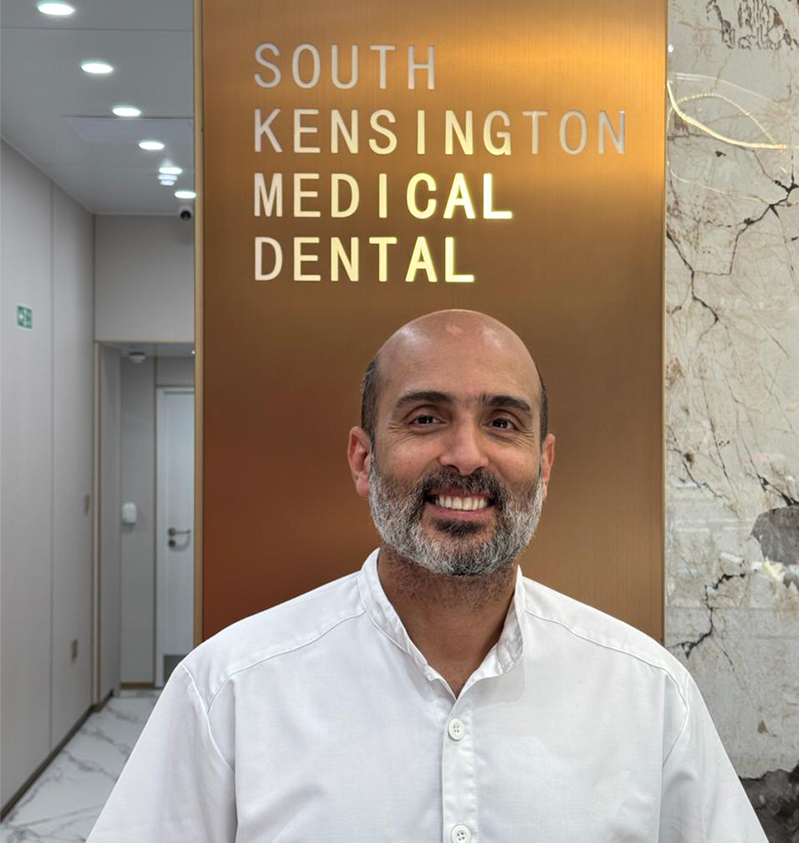
Dr Yazdi qualified as a dentist in 2002 (DDS) and moved to the UK in 2006, passing the International Qualifying Examination to practise in the UK. He completed his postgraduate training at the Eastman Dental Hospital (UCL), earning a Diploma in Oral Dental Science and an MSc in Conservative Dentistry.
Qualifications: DDS, MSc Conservative Dentistry (UCL), Dip Oral Dental Science (UCL)
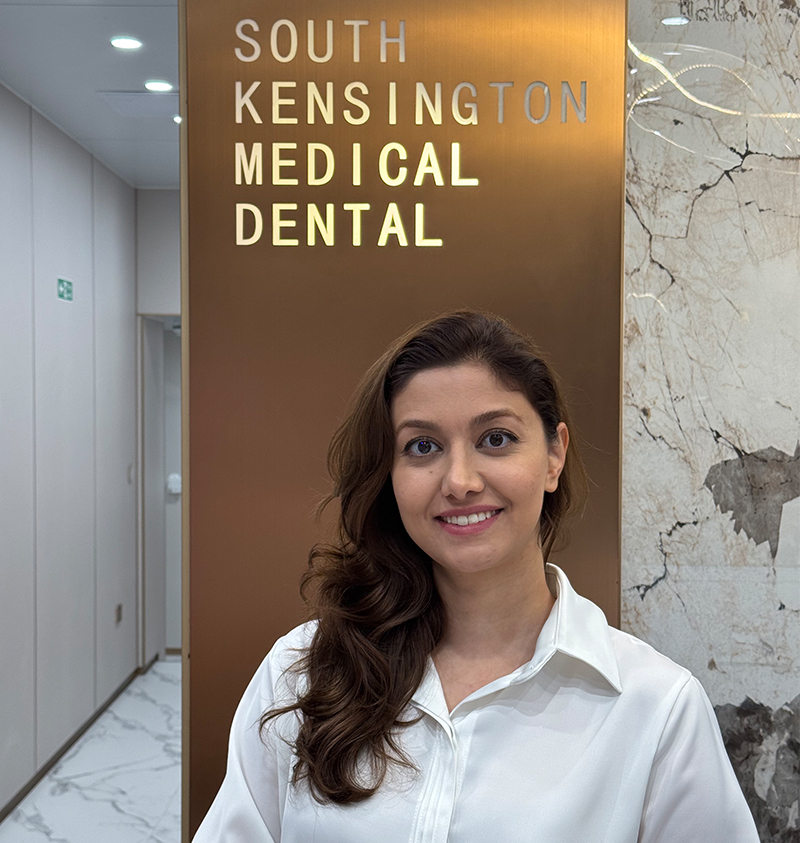
Dr Ameri qualified as a dentist in 2012 (DDS, Tehran University of Medical Sciences) and completed a four-year specialist training programme in Prosthodontics and Implantology, graduating with honours. She spent seven years as an Assistant Professor at Tehran University, teaching and managing complex restorative and implant cases.
Qualifications: DDS (Tehran University of Medical Sciences)
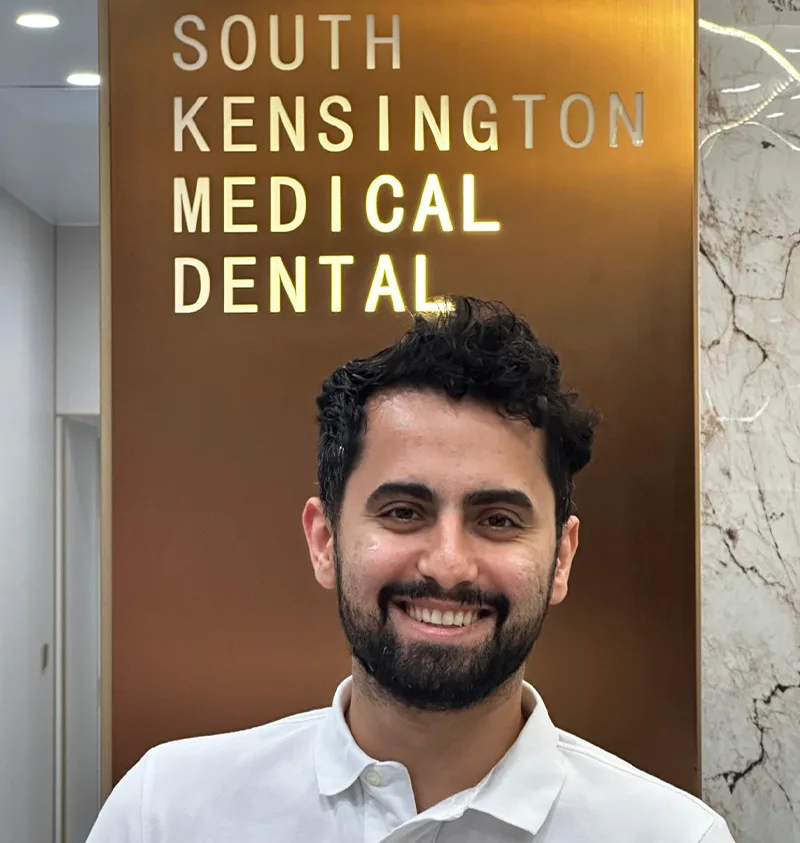
Dr Davari is a dentist with a special interest in prosthodontics, focusing on complex restorative work including crown and bridge work. He was awarded the London Gold Medal for Outstanding Achievement.
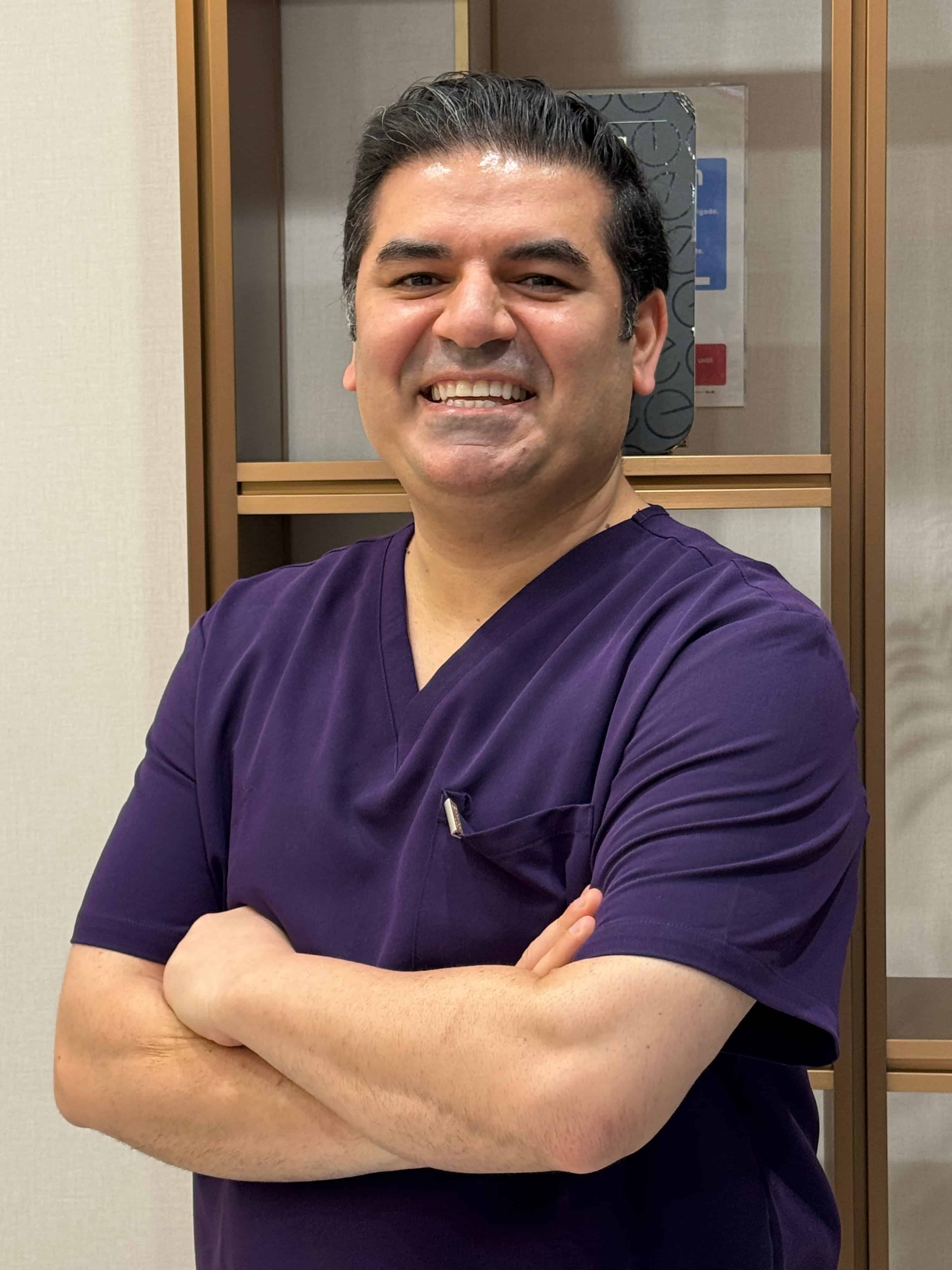
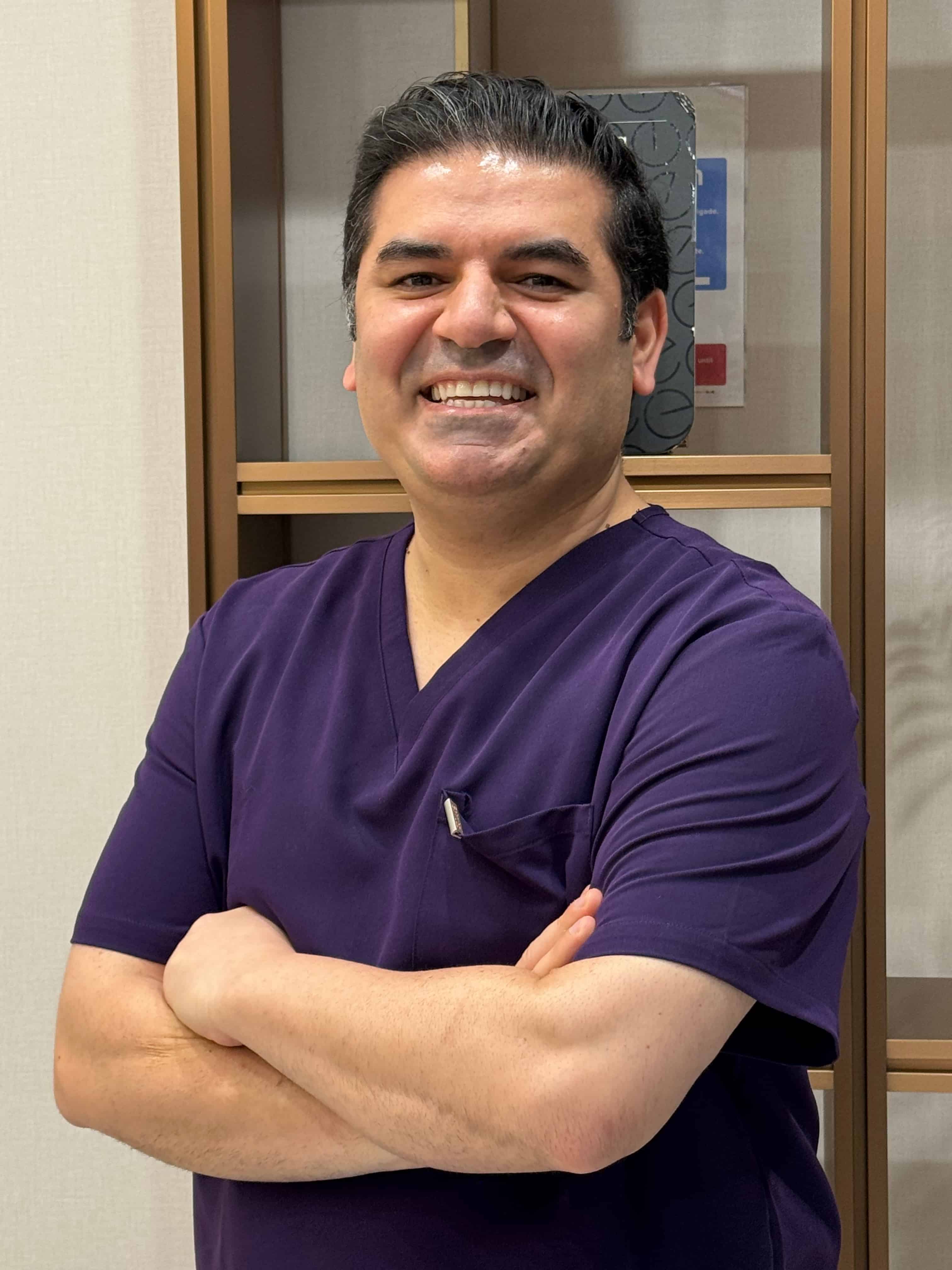
Dr Shirazi is the Principal Dentist and Clinical Director at Medical & Dental. He qualified at the University of Regensburg in Germany. As Clinical Director, he oversees the quality and standard of all treatments provided at the practice, including implant procedures.
All clinicians at Medical & Dental are registered with the General Dental Council (GDC). Our South Kensington clinic is registered with the Care Quality Commission (CQC). View our full dental team.
Dental Implant Results
Examples of implant treatment carried out by our dentists. Individual results may vary depending on the clinical situation.


These images show actual patients treated at Medical & Dental. Results depend on individual circumstances including bone quality, oral hygiene, and overall health. Your dentist will discuss what outcome is realistic for you during your consultation. Images are unedited and shown with patient consent.
What Happens During Implant Treatment?
Implant treatment is carried out over several stages. Your dentist will explain each step and what to expect before you begin.
Assessment and Planning
Your dentist examines your mouth, takes X-rays or a 3D scan, and discusses your medical history. If implants are suitable, you receive a written treatment plan with costs.
45–60 minsImplant Placement
The titanium implant is placed into the jawbone under local anaesthetic. Some patients may experience mild discomfort after the procedure, which is usually managed with over-the-counter painkillers.
1–2 hoursHealing (Osseointegration)
Over three to six months, the implant integrates with the bone. A temporary tooth can be provided during this time so you are not without a tooth.
3–6 monthsCrown Fitting
Once healing is confirmed, an abutment and custom-made porcelain crown are fitted. The crown is matched to the shade of your natural teeth.
1–2 appointmentsTypes of Implant Treatment
The type of implant treatment recommended depends on how many teeth need replacing, the condition of your jawbone, and your overall health.
Single Tooth Implant
Member price (non-member from £2,950)
One implant replaces one missing tooth. A titanium post is placed in the bone and a porcelain crown is fitted once healing is complete. This is the most common type of implant treatment.
Implant-Supported Bridge
Depends on number of teeth
Two or more implants support a bridge to replace several adjacent missing teeth. This can be more cost-effective than placing individual implants for each missing tooth.
All-on-4 / All-on-6
Per arch
A full arch of teeth is supported by four to six implants. This can replace an entire upper or lower set of teeth. In some cases, temporary teeth can be fitted on the same day as surgery.
Immediate Implants
When clinically suitable
In some cases, an implant may be placed at the time of tooth extraction, with a temporary crown attached on the same day. This is only suitable where the clinical situation allows. Your dentist will explain any additional considerations.
Your dentist will recommend the most appropriate option after examining your mouth and reviewing your scans. A written treatment plan with costs will be provided before any treatment begins.
Suitability and Things to Consider
Not everyone is suitable for implants. Your dentist will carry out a thorough assessment and discuss any factors that may affect your treatment.
Generally Suitable
- Adults in good general health
- Non-smokers, or willing to stop during treatment
- Good oral hygiene
- Adequate jawbone density (or suitable for bone grafting)
- Controlled medical conditions (e.g. diabetes)
- Committed to attending follow-up appointments
Factors That May Affect Treatment
- Smoking — increases the risk of implant failure and slows healing
- Uncontrolled diabetes or other systemic conditions
- Significant bone loss — bone grafting may be needed first, adding time and cost
- Certain medications (e.g. bisphosphonates) — your dentist will review your medical history
- Active gum disease — this would need to be treated before implants can be placed
- Radiation therapy to the head or neck area
Risks and Considerations
As with any surgical procedure, dental implant placement carries some risks. These include:
- Infection at the implant site
- Damage to surrounding structures (nerves, blood vessels, or adjacent teeth)
- Implant failure — the implant may not integrate with the bone
- Sinus problems (for implants in the upper jaw)
- Temporary numbness or tingling
- Post-operative discomfort, swelling, or bruising
Your dentist will discuss these risks with you during your consultation and explain how they apply to your individual case. You will have the opportunity to ask questions before giving your consent to treatment.
Implant treatment is a form of surgery and you should be fully informed before proceeding. If you have concerns, you are welcome to seek a second opinion.
Potential Benefits of Dental Implants
Individual outcomes depend on a range of factors. Your dentist will discuss what you can realistically expect.
Designed to Be Long-Lasting
With appropriate care and maintenance, dental implants have the potential to last many years. The implant fixture integrates with the jawbone and is designed for long-term stability.
Natural Appearance
The porcelain crown is custom-made and colour-matched to blend with your existing teeth. Most people would not be able to tell the difference from a natural tooth.
Helps Preserve Jawbone
When a tooth is lost, the jawbone in that area can begin to resorb. An implant provides stimulation to the bone, which may help to slow or prevent this process.
Does Not Affect Adjacent Teeth
Unlike a bridge, an implant does not require the neighbouring teeth to be reshaped. Your natural teeth remain untouched.
Stable and Fixed
Implants are fixed in the jawbone and do not move. Unlike removable dentures, they do not require adhesive and are not taken out for cleaning.
Eat and Speak Normally
Once healed, implants are designed to restore biting function, allowing you to eat a normal diet. Many patients report improved confidence when speaking and eating.
Comparing Tooth Replacement Options
Each option has advantages and limitations. Your dentist will help you decide what is most appropriate for your situation.
*Crown component may need replacing after 15–25 years. Actual lifespan depends on oral hygiene, diet, smoking status, and regular professional care. Your dentist will discuss expected longevity based on your individual circumstances.
Caring for Your Dental Implants
Dental implants require the same care as natural teeth. Good oral hygiene is essential for the long-term success of your implant.
Daily Cleaning
Brush twice a day with a soft-bristled toothbrush. Use interdental brushes or floss around the implant to remove plaque.
Regular Check-Ups
Attend dental check-ups and hygiene appointments as recommended by your dentist — typically every six months.
Avoid Smoking
Smoking can increase the risk of implant complications. If you smoke, your dentist will discuss this with you.
Protect from Damage
If you grind your teeth, a night guard may be recommended. Avoid using implant teeth to open packaging or bite hard objects.
Payment and Finance Options
We offer several ways to spread the cost of implant treatment.
0% Finance
Up to 12 months interest-free, subject to status
Extended Finance
Plans available for up to 60 months
Membership
50% off implants with membership (£20/month)
Finance is subject to status and affordability checks. Terms and conditions apply. Your dentist will provide a full cost breakdown before treatment begins.
Frequently Asked Questions About Dental Implants
Our Central London Clinics
Two locations with good transport links
South Kensington
Medical & Dental
20 Old Brompton Road
South Kensington
London SW7 3DL
Opening Hours
- Mon, Wed9am – 6pm
- Tue, Thu9am – 8pm
- Friday8am – 5pm
- Saturday10am – 4pm
- Sunday10am – 4pm
City of London
Medical & Dental
5 Ave Maria Lane
City of London
London EC4M 7AQ
Opening Hours
- Mon – Fri8am – 8pm
- SaturdayBy appointment
- SundayClosed
We serve patients from Chelsea, Knightsbridge, Kensington, Fulham, Westminster, Belgravia, Notting Hill, Earl's Court, and all of Greater London
Considering Dental Implants?
Book a consultation with one of our dentists to discuss whether implants are suitable for you. You will receive a thorough assessment, clear information, and a written treatment plan with costs.
What Our Patients Say
Real feedback from our patients at South Kensington Medical & Dental.
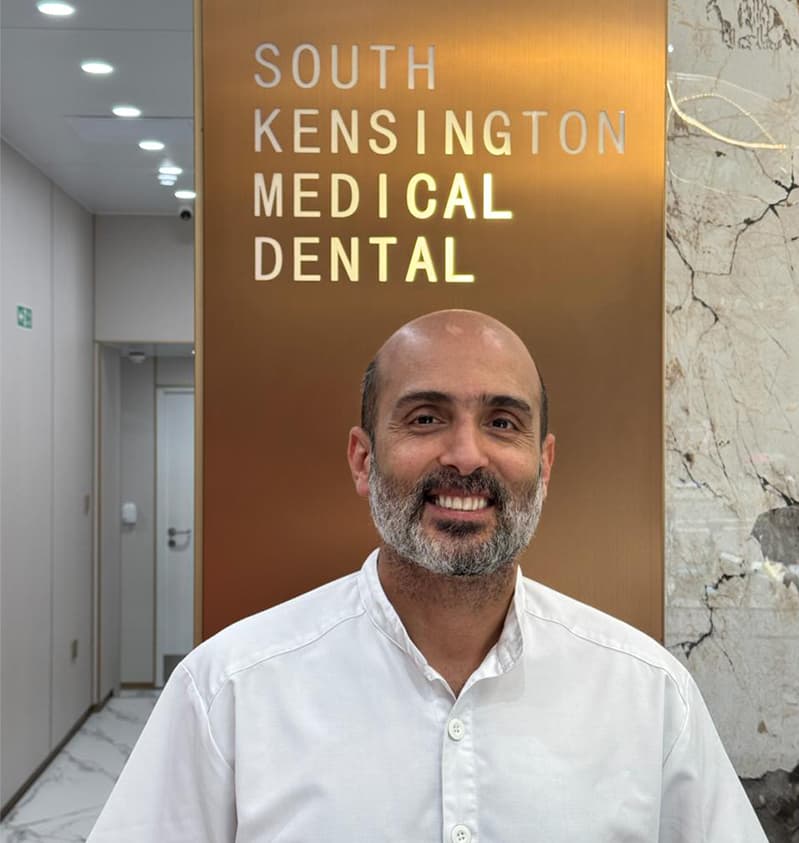
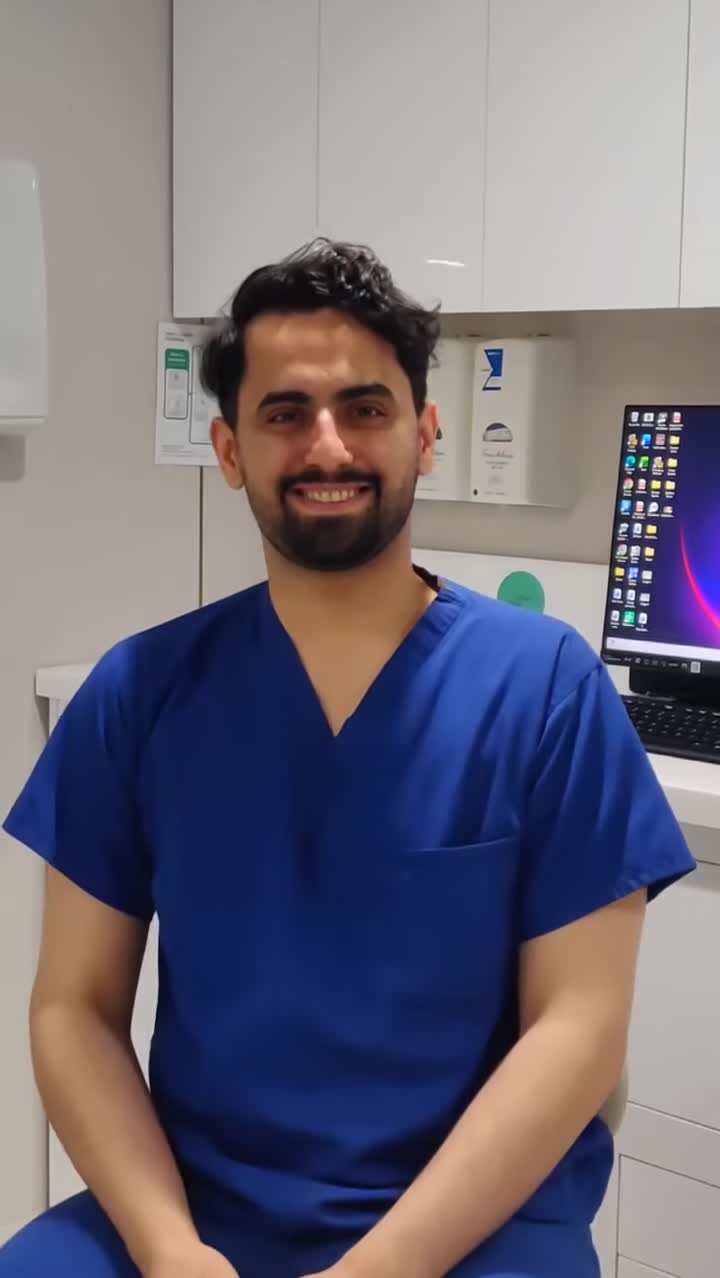
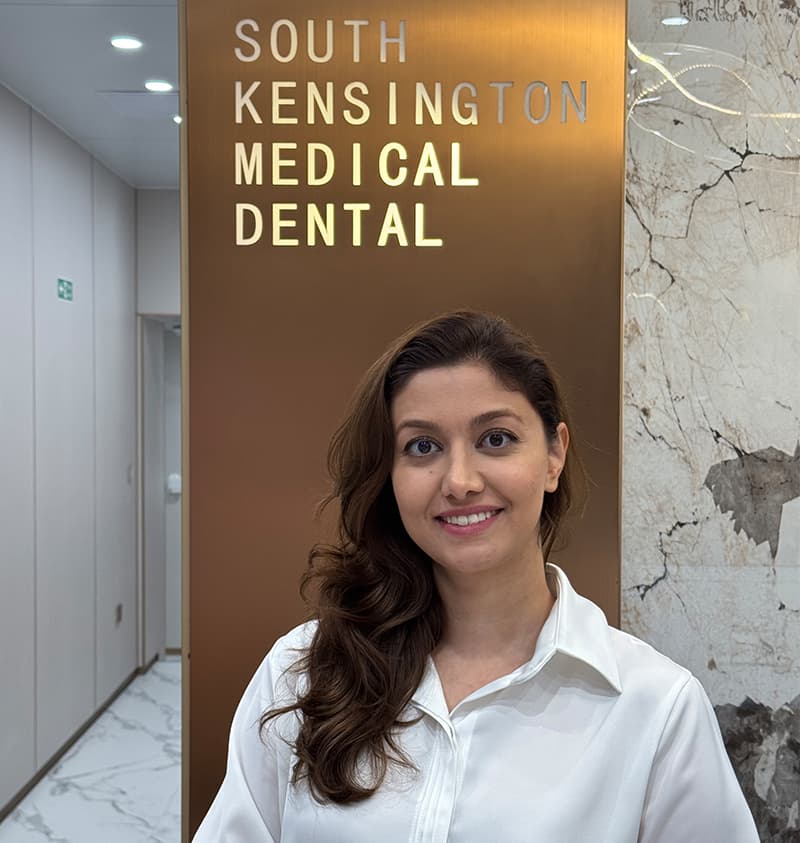
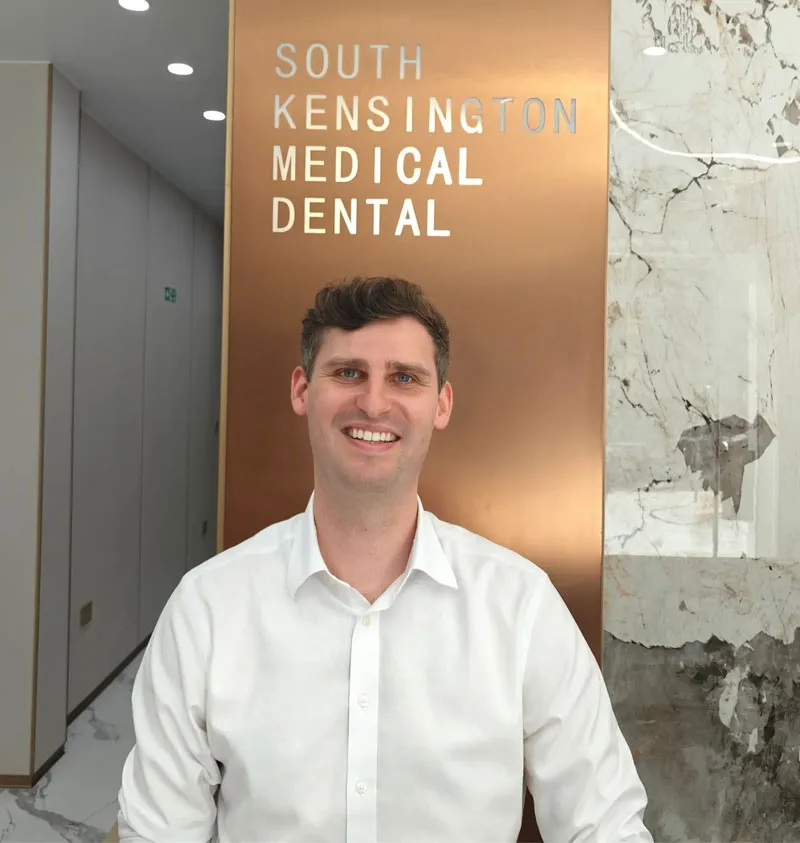
Meet Our Dental Team
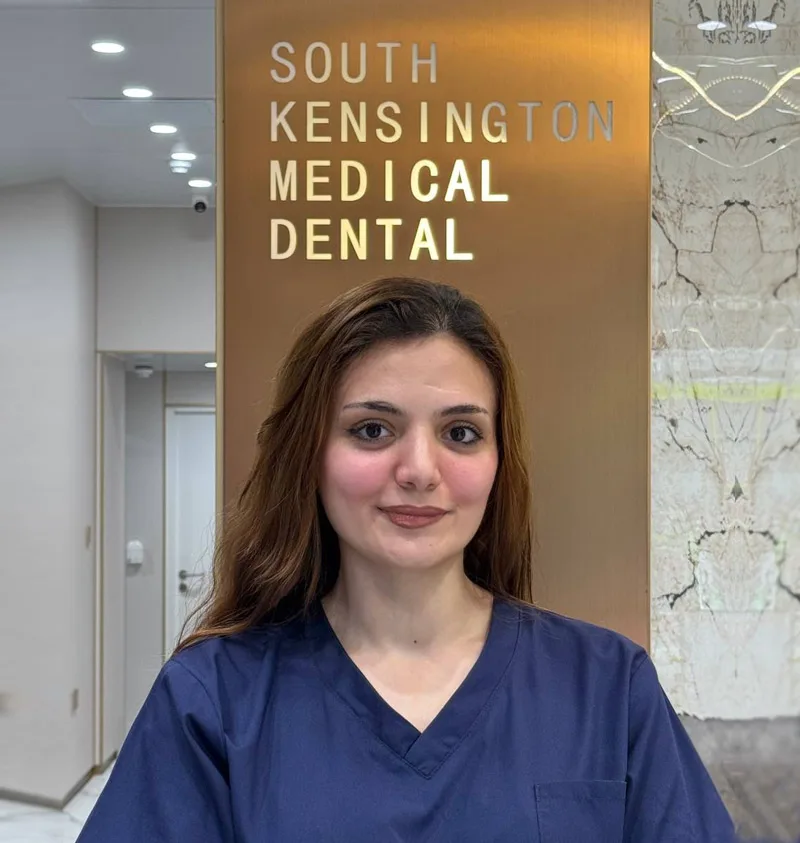
Our experienced dental team is fully qualified and registered with the GDC, delivering safe, high-quality care in line with the highest professional standards.
Because our patients deserve nothing less.

Registered. Regulated. Trusted.
South Kensington Medical & Dental is registered with the Care Quality Commission (CQC) and our clinicians are registered with the relevant UK regulatory bodies, including the GDC and GMC. Our dentists, dental nurses and medical professionals deliver care that meets the highest clinical, safety and ethical standards, because our patients deserve nothing less.